
Emergency Roof Repair West Sacramento CA in CA 95814
What’s Covered on This Page
- Emergency Roof Repair West Sacramento CA Near the Broderick Area
- Emergency Roof Repairs for Homes in the Broderick Neighborhood
- How Our Team Reaches the West Sacramento Broderick Area
- What Makes the Broderick Area Unique for Roof Work
- How quickly can you reach homes in the Broderick neighborhood when there’s a roofing emergency?
- Why do so many flat and low-slope roofs in the Broderick area fail after heavy rain?
- Does living near the Sacramento River make moss and roof damage worse for Broderick homeowners?
Need emergency roof repair west sacramento ca?
Call now for a free estimate. Call Prime Sac Roofs now.
Emergency Roof Repair West Sacramento CA Near the Broderick Area
Emergency Roof Repairs for Homes in the Broderick Neighborhood
Broderick is one of the oldest neighborhoods in West Sacramento. It sits right along a bend in the Sacramento River, where working families have called home since the early 1900s. Most of the houses here are wood-frame builds from the 1940s through the 1960s. And a lot of them? Still running on original or once-replaced roofs.
That kind of history has real character. But it also means roofing emergencies aren’t just possible. They’re practically a given. Usually during a January atmospheric river. Sometimes after a Sacramento Valley summer that just won’t let up.
Two things drive the roofing problems we see in Broderick: the age of the homes and how close they sit to the Sacramento River. Those old three-tab shingle systems that were standard on mid-century construction? Most have already blown past their expected lifespan. Sacramento summers are brutal. Temps climb past 100°F on the regular, surfaces expand and blister, and then fall rolls in and everything contracts again. After decades of that back-and-forth, granule coating wears thin, tabs lift at the edges, and the adhesive strips just give up. We’re out in this part of Sacramento all the time. A moderate winter wind event is all it takes to peel back entire sections of weakened shingles and leave bare decking exposed.
River proximity adds a whole other problem. The Sacramento River creates a microclimate with elevated humidity that homeowners a few miles inland simply don’t deal with. That persistent moisture speeds up moss and algae growth, especially on north-facing slopes that don’t get much direct sunlight during fall and winter. Moss isn’t just ugly. It’s actively destructive. Those root-like structures (called rhizoids, if you’re curious) work beneath shingle tabs and into seams, physically lifting shingles away from the deck. They create channels that funnel rainwater straight into the underlayment. Dark green or black streaking on your north-facing slopes? That’s an early warning. Left alone, moss infiltration leads to the kind of water intrusion that needs emergency intervention fast. Call us before it reaches that point.
Here’s another issue specific to Broderick. The mid-century ranch-style homes that make up a big chunk of the neighborhood often have flat or low-slope roofs with minimal pitch. Sometimes as little as a quarter-inch of rise per horizontal foot. These roofs depend entirely on functioning drainage to move water off after rainfall. When gutters clog, drain outlets get blocked, or the membrane develops low spots from decades of foot traffic or substrate settling, water has nowhere to go. It pools. And pooled water on a flat roof is relentless. Even a modest accumulation puts serious downward pressure on aging membranes, speeding up cracks, seam separations, and eventually full failures. Don’t sit on this one. Reach out to us as soon as you spot standing water.
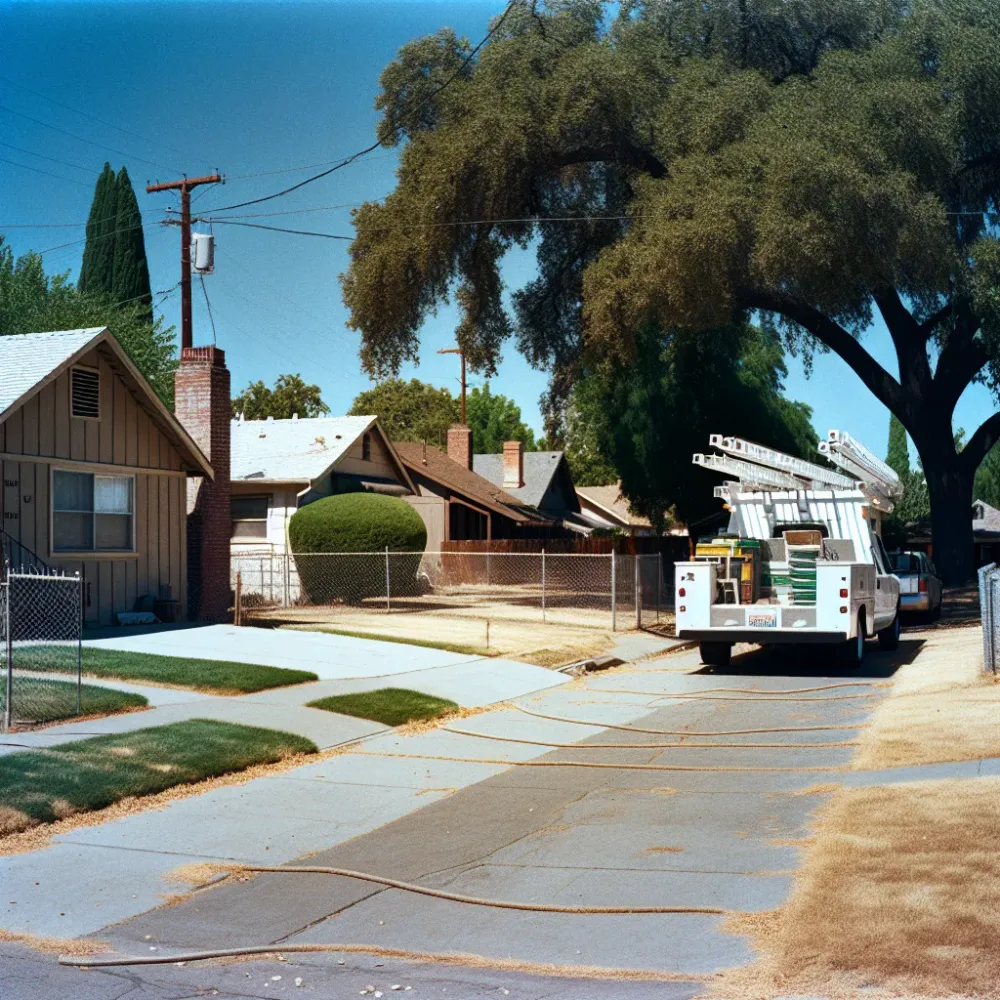
Here’s a scenario that plays out regularly in Broderick each winter. A homeowner near the old Broderick ferry landing wakes up after an overnight storm and finds a spreading ceiling stain in their living room. They head outside, climb up, and find a big area of standing water that’s been sitting there for hours. The roof membrane shows bubbling and separation near the center of the ponded area. A dark waterline on the interior ceiling tells them the leak’s been active long enough to saturate the insulation beneath the decking.
That’s not a situation that waits for a scheduled appointment.
Every extra hour that standing water sits against a compromised membrane means more water migrating deeper into the assembly. It soaks into wood framing. It sets the stage for mold growth that can take hold within 24 to 48 hours. Emergency response starts with water removal and immediate temporary protection. A qualified emergency roofing contractor arriving at a Broderick home in that condition will check the extent of the ponding and identify the primary breach point in the membrane. Wet flat roofs are extremely slippery, so safe access always gets evaluated first. Standing water gets pushed toward functional drains or removed with a squeegee or pump. Then the damaged section gets covered with a heavy-duty tarp, secured with weighted sandbags, lumber battens, or specialized roof anchors that won’t cause additional damage. That temporary measure buys time for a proper permanent repair. On a flat roof, that typically means cutting out the failed membrane section, drying the substrate, and installing a compatible patch. Call us the moment you suspect a problem. Faster action means less damage. Every single time.
How Our Team Reaches the West Sacramento Broderick Area
When your roof is damaged, every minute counts. We know the West Sacramento and Broderick area well, and we get to you fast.
We head west on Interstate 80 from central Sacramento. Then we cross the Tower Bridge, which puts us directly into West Sacramento. That bridge is one of the most recognizable landmarks in the region. It marks the boundary between Sacramento and Yolo County. Once we’re across, we’re in your neighborhood and just minutes from most residential streets in Broderick.
From the Tower Bridge, we take Jefferson Boulevard heading north. Jefferson runs through the heart of West Sacramento and connects directly to the Broderick neighborhood. This stretch passes through older residential blocks with mature trees and established homes. Most were built in the mid-20th century. Aging asphalt shingles and worn flashing are the repair jobs we handle most on these streets. We usually have a good idea what to expect before we even pull up.
We’re right around the corner. Give us a call.
We continue north on Jefferson Boulevard until we reach Fifteenth Street, which takes us deeper into the Broderick area. The streets here follow a straightforward grid. We use Fifteenth Street as a main corridor to reach homes along the Sacramento River levee side of the neighborhood, where wind-driven rain and debris from nearby open land cause roof damage that needs fast attention.
If you’re on that side of the neighborhood, we’re not guessing at the fastest route. We already know it.
For homes on the north end of the Broderick area near the Garden Highway, we sometimes take Highway 160 north from the Tower Bridge instead. That route runs along the Sacramento River and gives us quick access to properties near the water. Homes along this corridor deal with moisture-related roofing issues regularly. River proximity and the seasonal fog that settles into Sacramento winters see to that. If you live near the Garden Highway or the levee roads, we know exactly how to reach you without delay.
The full drive from our Sacramento base to most addresses in the Broderick area takes roughly 10 to 20 minutes depending on traffic. The West Capitol Avenue corridor near the Raley Field area can slow things down during events, so we plan around that when needed. We’re familiar with local traffic patterns and know the best alternate routes through the neighborhood. The homes along Jefferson closer to the river tend to have the same recurring issues, and we’ve been out here enough times to recognize them on sight.
If you’re not sure how to describe your location, just reference a nearby cross-street or a landmark like the Tower Bridge or Jefferson Boulevard. Our crew knows these streets. We work throughout West Sacramento regularly, so the Broderick area isn’t new territory for us. For a full look at the roofing services we bring to this part of Sacramento, visit our Emergency Roofing Services in Sacramento | PrimeSac Roofs page to see what we cover.
Need help with emergency roof repair west sacramento ca?
Call now for a free estimate. Prime Sac Roofs is ready to help.
Watch Our Video
See How We Handle Emergency Roof Repair West Sacramento CA in CA 95814
Prime Sac Roofs — Serving CA 95814 and surrounding areas
What Makes the Broderick Area Unique for Roof Work
The Broderick area sits right along the Sacramento River, just west of the Tower Bridge. That waterfront location creates roofing challenges you won’t find in most other parts of the Sacramento region. Moisture moves differently here. Wind patterns shift near the river. And the older housing stock means roofs built for a different era of weather. They’re showing it.
Many homes in Broderick still have their original roof decking. That older wood absorbs moisture faster than modern materials. When Sacramento’s wet season hits, typically November through March, those decks can swell, warp, and crack. A small leak in October can become a serious structural problem by February if it goes unaddressed. We’ve seen it happen more than once out here. Don’t let it get to that stage. Give us a call early.
River proximity keeps humidity levels in Broderick higher than neighborhoods further inland. Areas like Southport or West Sacramento’s newer developments sit on higher ground with better drainage. Broderick doesn’t have that buffer. Low-lying streets near the riverbank collect standing water after heavy rain. That ground moisture wicks upward and keeps roofing materials damp longer than they should be. Algae and moss growth on older shingles is common here, and both speed up deterioration faster than UV exposure alone. We’ve been working roofs in this part of Sacramento long enough to spot the early signs before they turn into something worse.
If you’re near the riverbank streets and you haven’t had your roof looked at in a few years, now’s the time.
Wind’s another factor specific to this stretch of West Sacramento. The gap between the Sacramento River levee and the Yolo Causeway creates a natural wind corridor. During winter storms, gusts funnel through that corridor and hit rooftops at angles that standard installations don’t always account for. We see lifted flashing, popped ridge caps, and torn drip edges in Broderick more often than in neighborhoods outside that wind path. Sacramento summers do a number on shingles too. Then winter winds finish the job on anything that’s already weakened.
The mix of housing types in Broderick matters as well. Single-story ranch homes, older duplexes, a handful of commercial-residential mixed properties. All within a few blocks of each other. Each roof type responds differently to the same storm. A low-slope ranch roof handles standing water very differently than a steeper-pitched duplex. Knowing which roof is on which property and what its specific failure points are, that only comes from working this area regularly. We do.
Broderick also sits inside a FEMA-designated flood zone. That matters for roofing because insurance claims in flood-adjacent zones get scrutinized more carefully. Damage that looks like wind damage sometimes gets flagged as water intrusion from below, not above. We know how to document roof damage in this area so the source is clear and the claim holds up. Not every contractor thinks about that. We do, because we work here.
If you live near the old Broderick waterfront or along Jefferson Boulevard closer to the river, your roof is working harder than most. The combination of age, moisture, wind exposure, and flood-zone regulations makes this one of the more demanding areas for roof work in the greater Sacramento region. Getting ahead of small problems before the rainy season is the smartest move you can make as a Broderick homeowner. Reach out to us now, before the next storm makes the decision for you.
Frequently Asked Questions
Common questions about emergency roof repair west sacramento ca services in CA 95814
How quickly can you reach homes in the Broderick neighborhood when there’s a roofing emergency?
We can reach most Broderick streets fast by crossing the Tower Bridge from central Sacramento and heading north on Jefferson Boulevard. That route puts us in your neighborhood quickly. The Broderick area is familiar ground for us. We know the streets and the homes here. When your roof is failing, we move fast to protect your home.
Why do so many flat and low-slope roofs in the Broderick area fail after heavy rain?
Flat roofs on Broderick’s mid-century ranch homes depend entirely on clear drainage to move water off after a storm. When gutters clog or membranes develop low spots, water pools and puts serious pressure on aging surfaces. That standing water can breach a compromised membrane within hours. If you spot pooling water on your roof, call us right away.
Does living near the Sacramento River make moss and roof damage worse for Broderick homeowners?
Yes, the Sacramento River creates elevated humidity that speeds up moss and algae growth on Broderick rooftops. North-facing slopes are hit hardest. Moss rhizoids work under shingle tabs and lift them away from the deck. That creates channels for water to enter your home. Dark streaking on your roof is an early warning sign. Don’t wait to call us.
Ready to Get Started?
Call now for a free estimate Call +19164148398 today.
