
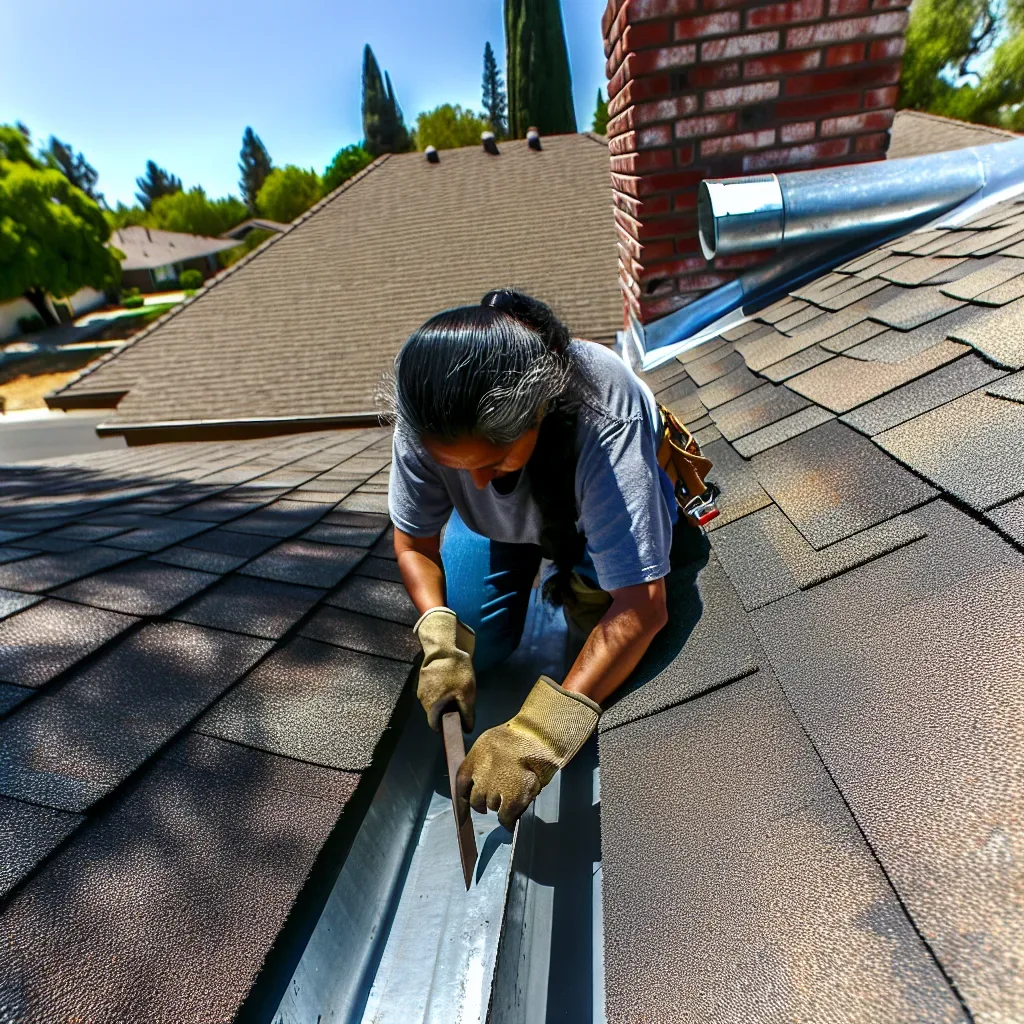
Flashing repair in CA 95814
Quick Summary:
Flashing Repair in Sacramento: Stop Leaks Before They Spread
What’s Covered on This Page
- Signs Your Sacramento Roof Flashing Needs Repair Now
- Why Damaged Flashing Causes Bigger Roof Problems in Sacramento
- What the Flashing Repair Process Looks Like on Sacramento Homes
- How to Know the Flashing Repair Was Done Correctly
- How Sacramento Homeowners Can Prevent Flashing Failures Long-Term
- How do I know if my roof flashing is causing the leak or if it’s something else?
- Does Sacramento’s climate make flashing wear out faster than in other places?
- What happens during a flashing repair visit — what should I expect?
- Can I just seal over old flashing instead of replacing it?
- How fast can you get to my home in Sacramento for a flashing repair?
- What happens if I ignore a small flashing problem on my Sacramento home?
Signs Your Sacramento Roof Flashing Needs Repair Now
You might not think about your flashing until something goes wrong. That’s how it works for most folks. One day you notice a brown stain on the ceiling near a wall. Or you spot water dripping into the attic after a storm. By then, the damage has already started.
Here’s what to watch for.
The most obvious sign is water stains inside your home. They usually show up where the roof meets a wall, around your chimney, or near skylights. These stains mean water is getting past the flashing and soaking into the wood underneath. We see this every single week on homes throughout Sacramento, especially in older neighborhoods like Land Park and Curtis Park where roofs have been through decades of hot summers and wet winters.
Visible rust or corrosion on metal flashing is another red flag. Sacramento’s dry heat causes metal to expand and contract constantly. Over time, that cycle cracks sealant and weakens the metal itself. If you can see orange or brown discoloration on flashing from the ground, it’s already compromised. And once rust takes hold, it spreads fast.
Lifted or bent flashing edges are trouble too. Wind doesn’t need to be extreme to peel back a loose section. Even moderate gusts during spring can catch a curled edge and pull it away from the roof surface. That gap is all rain needs to find its way inside.
Not sure if what you’re seeing is actually a flashing problem? That’s pretty common. Sometimes the signs look like a shingle issue or a gutter problem. Cracked caulk lines along roof joints, granules piling up near base flashing, or damp insulation in the attic can all point back to failing flashing. When someone in Sacramento calls us about a mystery leak near a chimney or vent pipe, the flashing is almost always the culprit.
According to the National Roofing Contractors Association, flashing failure is one of the leading causes of roof leaks in residential homes. Don’t wait for a small stain to become a big repair. If any of these signs look familiar, give us a call and we’ll take a look before the next rain hits.
Why Damaged Flashing Causes Bigger Roof Problems in Sacramento
A small gap in your flashing doesn’t stay small for long. That’s the thing most homeowners don’t realize until water’s already inside the walls.
Flashing is the thin metal barrier installed where your roof meets a wall, chimney, vent pipe, or skylight. Its whole job is directing water away from those seams. When it cracks, lifts, or rusts through, water finds a direct path into your home. And Sacramento’s weather pattern makes this worse than you’d think. We get bone-dry summers that bake metal and cause it to expand, then cool winter rains that hit hard and fast. That cycle pulls flashing loose from sealant beds and creates tiny openings. Once water gets behind the flashing, gravity takes it wherever it wants to go.
We see this play out the same way almost every time. A homeowner in Midtown notices a water stain on the ceiling after the first big November rain. They assume it’s a roof leak somewhere obvious. But the actual entry point is six feet away, where a piece of step flashing pulled away from the wall. Water ran along the roof deck, soaked into the sheathing, and traveled until it found a low spot to drip through.
That hidden travel is what causes the real damage.
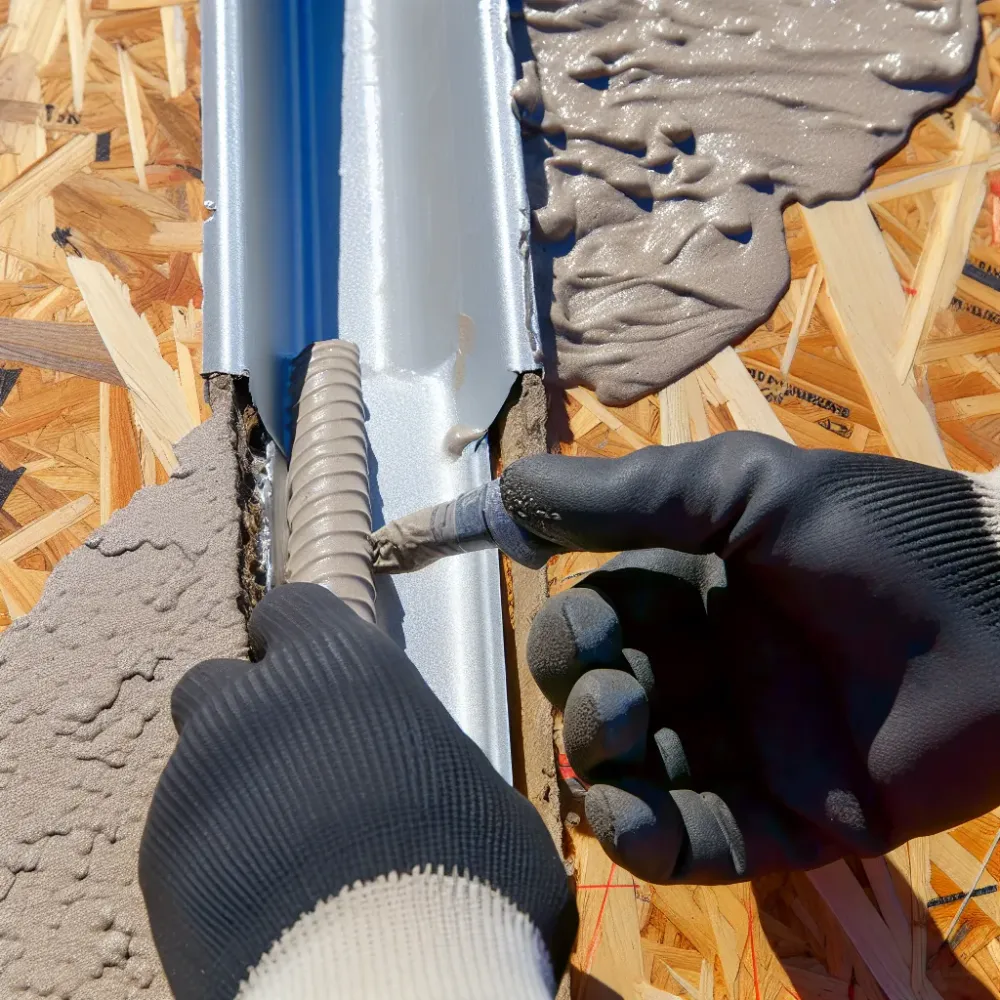
By the time you see a stain, the wood underneath may already be soft. Mold can start growing within 48 hours of sustained moisture, according to the EPA. In Sacramento’s older neighborhoods like Land Park and Curtis Park, we find homes where damaged flashing went ignored for two or three seasons. The repair bill jumps from a simple flashing fix to replacing rotted fascia boards, decking, and sometimes even rafters.
And it’s not just water. Gaps in flashing invite pests too. Rats, birds, and insects will use even a half-inch opening to get into your attic space. So what started as a roofing issue becomes a pest problem on top of a moisture problem.
The point is simple. Flashing damage doesn’t fix itself. It compounds. Every rain event pushes more water into places it shouldn’t be. If you’ve noticed anything off with your roof seams or seen discoloration near your roofline, don’t wait for the next storm to confirm it. Give us a call and let’s catch it before it spreads.
What the Flashing Repair Process Looks Like on Sacramento Homes
Every job starts on the roof. We get up there and look at the full picture before touching anything. That means checking every piece of flashing around chimneys, vents, skylights, and wall-to-roof transitions. We’re looking for cracks, rust, lifted edges, and old sealant that’s turned brittle.
Here’s what most folks don’t realize. The leak inside your house might be six or eight feet away from the actual problem on the roof. Water travels along rafters and sheathing before it drips onto your ceiling. So we trace the path backward. That detective work matters more than the repair itself.
Once we’ve found the source, we remove the damaged flashing carefully. On older Sacramento homes, especially in neighborhoods like Land Park, we often find layers of caulk piled on top of failing metal. Someone tried a quick fix years ago. Then someone else did the same thing. None of it worked because the flashing underneath was already done.
We strip all of that away and prep the surface. Clean wood, clean edges, no shortcuts. If the decking underneath has rot, we address that first. You can’t put good flashing over bad wood. It just fails again.
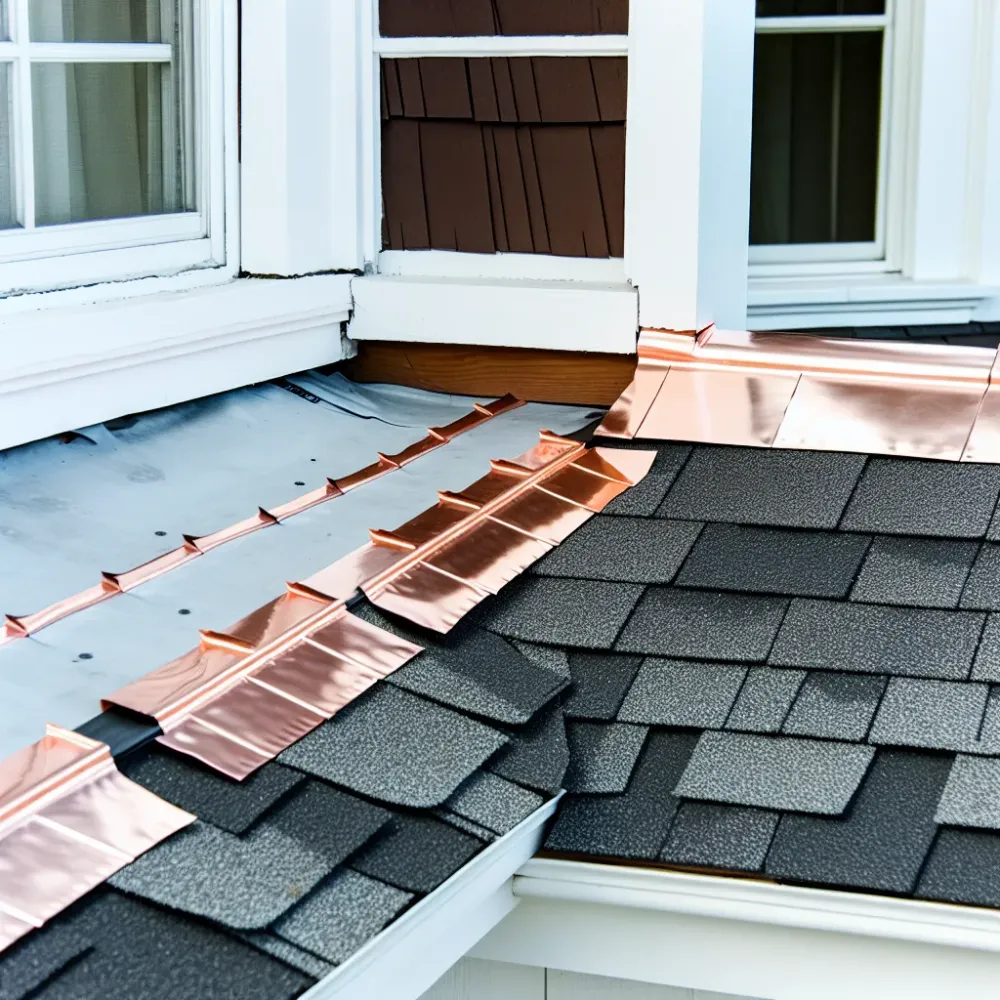
Then we install new flashing with proper overlap and step patterns. We weave it into the existing roofing material so water sheds naturally. Every seam gets sealed, and every nail gets placed where it won’t create a new entry point for moisture. In most cases, the original failure happened because someone nailed in the wrong spot or skipped the underlayment.
After installation, we run water tests. We actually hose down the area and watch from inside the attic. If nothing comes through, it’s right. If something looks even slightly off, we fix it on the spot.
The whole process usually takes a few hours for a standard repair on a Sacramento home. Bigger jobs around multiple penetrations or complex rooflines take longer, but we’ll tell you that upfront. No surprises once we’re up there. Want us to take a look at yours? Just give us a call and we’ll get it scheduled.
Need help with flashing repair?
Call now for a free estimate. Prime Sac Roofs is ready to help.
How to Know the Flashing Repair Was Done Correctly
This is the part most homeowners skip. And it’s the part that matters most.
A good flashing repair should look clean, tight, and sealed at every edge. No gaps. No lifted corners. No caulk smeared everywhere like frosting on a cake. We’ve seen crews in Sacramento slap sealant over damaged flashing and call it done. That’s not a repair. That’s a cover-up. Proper work means the metal sits flat against the surface, the step flashing tucks neatly behind siding or stucco, and counter-flashing locks into mortar joints with a solid seal. You shouldn’t see any raw edges or exposed nail heads.
So how do you check? Start from the ground. Grab binoculars if you need to. Look at where your roof meets any wall, chimney, or vent pipe. The flashing should follow the roofline in a clean line. If it looks wavy, buckled, or patchy, something’s off. Around chimneys especially, the base flashing and counter-flashing should overlap correctly without relying on gobs of sealant to hold things together.
The real test comes with the next rain.
After we finish a flashing repair here in Sacramento, we always tell homeowners to check their attic during the first good rainstorm. Look at the underside of the roof deck near the repaired area. No stains, no drips, no damp spots on insulation. That’s your confirmation. If you have a chimney in an older neighborhood like Land Park or Curtis Park, pay extra attention to the corners where the chimney meets the roof slope. Those inside corners take the most water and fail first when work isn’t done right.
According to the National Roofing Contractors Association, proper flashing installation is the single most critical factor in preventing roof leaks at intersections. That’s not opinion. That’s industry standard.
You should also ask your contractor for photos. We take before and after shots on every job because we want you to see exactly what changed. A contractor who won’t show their work probably isn’t proud of it. Look for documentation that shows how the old flashing was removed, how the new material was fitted, and how each joint was sealed. Licensed contractors in Sacramento should be happy to walk you through this.
Not sure what you’re looking at up there? Give us a call. We’ll walk you through it or come take a look ourselves.
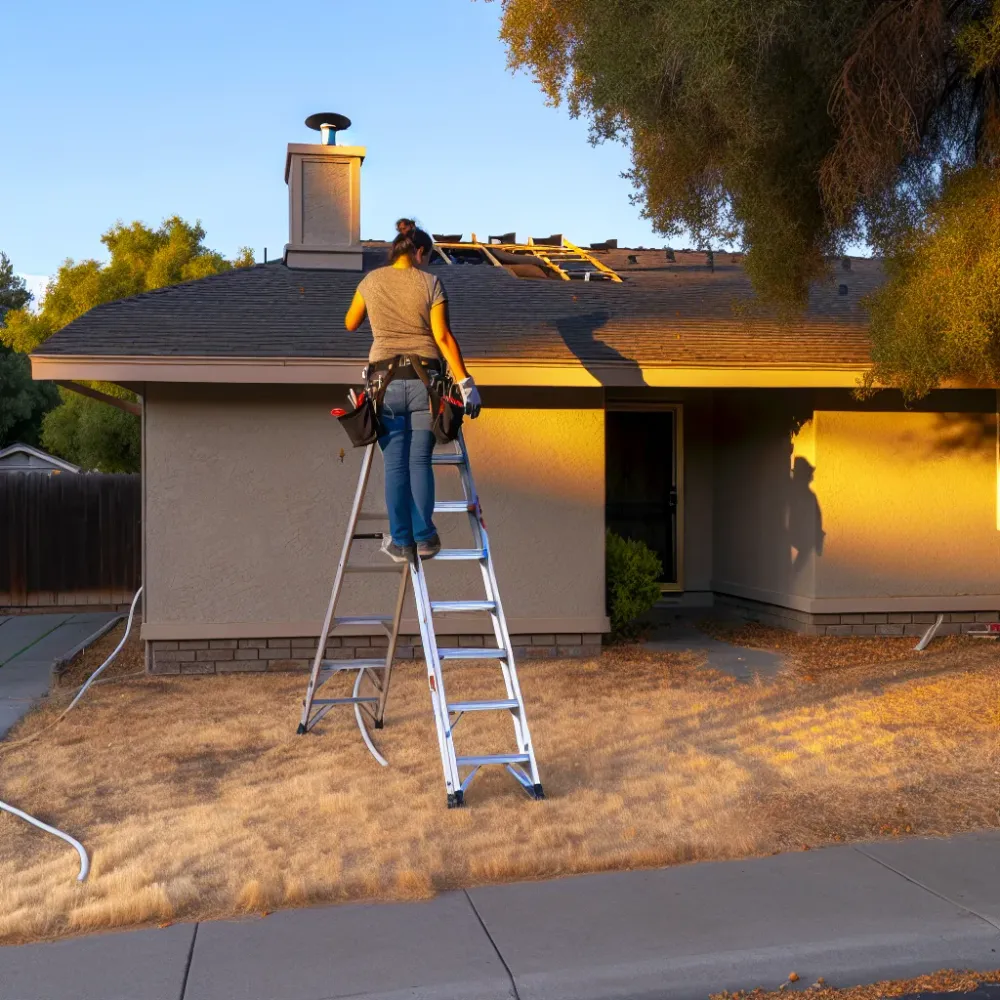
Watch Our Video
See How We Handle Flashing repair in CA 95814
Prime Sac Roofs — Serving CA 95814 and surrounding areas
How Sacramento Homeowners Can Prevent Flashing Failures Long-Term
Most flashing problems don’t happen overnight. They build up over years of small neglect. The good news? A little attention goes a long way toward keeping your roof sealed tight.
Start with annual inspections. We tell every Sacramento homeowner the same thing. Get your roof looked at once a year, ideally in early fall before the rain season hits. A quick check catches lifted edges, cracked sealant, and small rust spots before they turn into leaks. If you’ve got mature trees near your roofline, like the big oaks common in the Land Park area, you’ll want those inspections twice a year. Falling branches and leaf buildup put extra stress on flashing joints.
Keep your gutters clean. Seriously. Clogged gutters force water to back up under flashing edges. We see this cause more damage than people realize. When water sits against a flashing seam for days at a time, it finds a way in. Every single time.
Watch for early warning signs yourself. Dark stains on your ceiling. Paint bubbling near a wall that meets the roofline. A musty smell in the attic after it rains. These are your roof telling you something’s wrong. Don’t wait for a drip to hit the floor.
Trim back any vegetation that touches your roof. Branches scraping against flashing will break sealant bonds and scratch protective coatings. In Sacramento’s hot summers, that exposed metal oxidizes fast once the coating’s gone.
And here’s something most people skip. After any major weather event, do a quick visual check from the ground. High winds, hail, even a heavy downpour can shift flashing or blow sealant loose. You don’t need to climb up there. Just grab binoculars and look for anything that seems bent, lifted, or out of place.
The National Roofing Contractors Association recommends professional inspections at least twice a year for aging roofs. That lines up with what we’ve seen across Sacramento homes, especially those built before the 1990s with older galvanized flashing.
Prevention isn’t complicated. It just takes consistency. If you’d rather have our team handle the inspections and catch problems early, give us a call. We’d rather help you maintain your flashing than replace it.
Frequently Asked Questions
Common questions about flashing repair services in CA 95814
How do I know if my roof flashing is causing the leak or if it’s something else?
Flashing is the culprit more often than not, especially near chimneys, vents, and skylights. If you see a water stain on your ceiling but can’t find obvious missing shingles, the flashing is the first place we look. Water travels along rafters before it drips, so the stain may be several feet from the actual gap. We trace the path back to the source every time. Don’t guess — let us get on the roof and find it for you.
Does Sacramento’s climate make flashing wear out faster than in other places?
Yes, Sacramento’s weather is hard on flashing. Dry summers bake the metal and cause it to expand. Cool, wet winters hit fast and contract it again. That constant cycle breaks down sealant and weakens the metal over time. Older neighborhoods like Land Park and Curtis Park have homes that have been through decades of this. We see cracked sealant and lifted flashing edges every season because of it. Regular checks after summer can catch problems before the rains arrive.
What happens during a flashing repair visit — what should I expect?
We start on the roof and inspect every seam before touching anything. That means checking all flashing around chimneys, vents, skylights, and wall joints. Once we find the problem, we remove the damaged flashing, prep the surface, and install new material with proper overlap. If there’s rotted wood underneath, we fix that first. Most repairs are done in a single visit. We walk you through what we found and show you the repair before we leave Sacramento.
Can I just seal over old flashing instead of replacing it?
Sealing over old flashing is a short-term patch, not a real fix. We pull back layers of caulk on Sacramento homes all the time and find failing metal underneath. Someone tried a quick fix, then another person did the same thing, and the leak kept coming back. If the metal is rusted, cracked, or lifted, it needs to come out. New sealant on bad flashing just delays the problem. We do the job right the first time so you’re not calling us again next season.
How fast can you get to my home in Sacramento for a flashing repair?
We serve Sacramento and the surrounding area, and we try to get to you quickly — especially before a storm rolls in. Flashing problems don’t wait, and neither should you. When you call us, we’ll ask a few quick questions and get you on the schedule as soon as possible. If you’re seeing active water intrusion or a fresh stain after rain, let us know and we’ll make it a priority. Call us and we’ll get it handled.
What happens if I ignore a small flashing problem on my Sacramento home?
Small flashing gaps grow into big repair bills fast. Water gets behind the metal, soaks into the wood, and can start mold growth within 48 hours. We’ve seen Sacramento homes where ignored flashing turned a simple fix into replacing rotted fascia, decking, and rafters. Pests also use small gaps to get into your attic. The longer you wait, the more it costs. If something looks off near your roofline, call us now and we’ll check it out before the next rain.
Ready to Get Started?
Call now for a free estimate Call +19164148398 today.
