
Commercial roofing in CA 95814
Quick Summary:
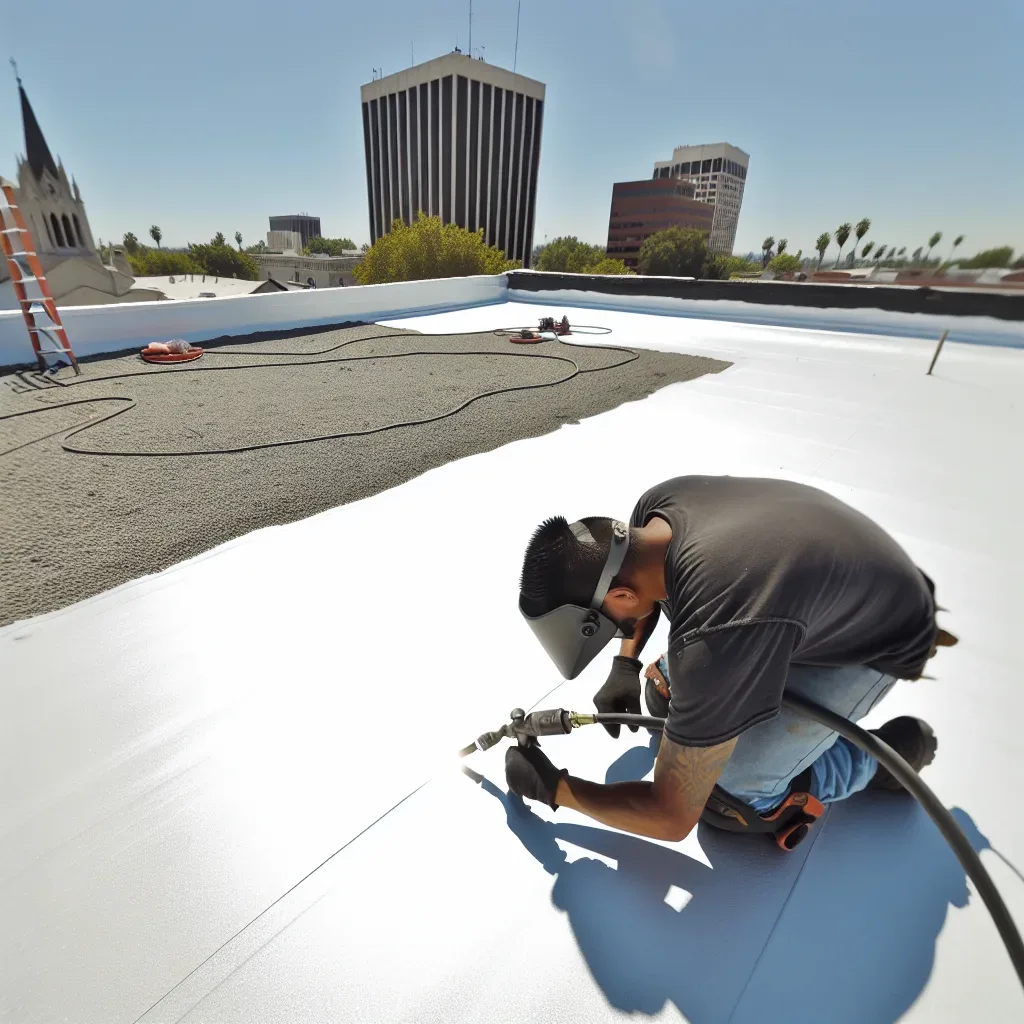
Commercial Roofing in Sacramento: Expert Installation and Repairs
What’s Covered on This Page
- Sacramento Commercial Roofs Need the Right System for the Climate
- Common Commercial Roof Problems Sacramento Businesses Should Not Ignore
- What to Expect When Prime Sac Roofs Arrives at Your Sacramento Property
- How Sacramento Commercial Roof Inspections Protect Your Investment
- Choosing the Right Commercial Roofing Contractor in Sacramento
- What types of commercial roofing systems work best in Sacramento’s climate?
- How do I know if my commercial roof has a serious problem?
- Does Sacramento have specific building codes that affect commercial roofing?
- How long does a commercial roofing project in Sacramento typically take?
- What happens during a commercial roof inspection when your crew arrives?
- Can a commercial roof repair wait, or does it need to be fixed right away?
Sacramento Commercial Roofs Need the Right System for the Climate
Our summers hit 100 degrees regularly. Sometimes 110. That kind of heat punishes a commercial roof in ways most people don’t think about until something fails.
Sacramento sits in the Central Valley, which means we get extreme heat from June through September, then cool wet winters with heavy rain. That swing from bone-dry to soaking wet creates thermal cycling that expands and contracts roofing materials over and over again. We see this every single week. A roof system that works great in San Francisco or Portland won’t hold up the same way here. The UV exposure alone is on another level. According to the National Roofing Contractors Association, thermal movement is one of the leading causes of membrane failure on flat commercial roofs. And flat roofs are what most Sacramento commercial buildings have.
So what does that mean for your building? It means the membrane type, insulation thickness, and drainage design all need to account for our specific conditions. A single-ply TPO system reflects heat well but needs proper seam welding to handle thermal stress. Built-up roofing can work for certain older buildings in areas like Midtown, but it requires more maintenance in our climate. Modified bitumen holds up in the heat but needs quality installation to avoid blistering.
Not sure which system fits your building? That’s actually pretty common.
The real issue is that many commercial roofs in Sacramento were installed without considering local climate data. We’ve pulled back membranes on warehouses near the railyards and found zero vapor barrier, saturated insulation, and decking that’s already starting to rot. All because someone picked the cheapest option instead of the right one.
Your roof protects your inventory, your equipment, your employees. It also affects your energy bills every single month. A properly chosen system with high reflectivity can cut cooling costs during those brutal valley summers. The wrong system costs you twice. Once when it’s installed. Again when it fails early.
We help Sacramento building owners match the right roofing system to their specific structure, use case, and budget. Call us and we’ll walk through what makes sense for your property.
Common Commercial Roof Problems Sacramento Businesses Should Not Ignore
We get calls every week from building owners who say the same thing. “It started as a small stain on the ceiling tile.” By the time they pick up the phone, that small stain has become a big, expensive headache.
Sacramento’s climate is tough on flat and low-slope roofs. Summer heat regularly pushes past 100 degrees, and that kind of sustained temperature bakes roofing membranes until they crack and split. Then winter rolls in with heavy rain, and every tiny crack becomes an entry point for water. It’s a cycle that punishes neglected roofs fast.
Here are the problems we run into most often:
Ponding water. Flat roofs should drain within 48 hours after rain. If you see standing water longer than that, your drainage is compromised. Ponding accelerates membrane breakdown and adds weight your roof structure wasn’t designed to carry permanently. We see this constantly on older buildings near the Railyards district and throughout Midtown.
Membrane blistering and cracking. Those extreme temperature swings cause roofing materials to expand and contract repeatedly. Over time, blisters form under the surface. They pop. Cracks spread. Nine times out of ten, the owner doesn’t notice until water’s already getting through.
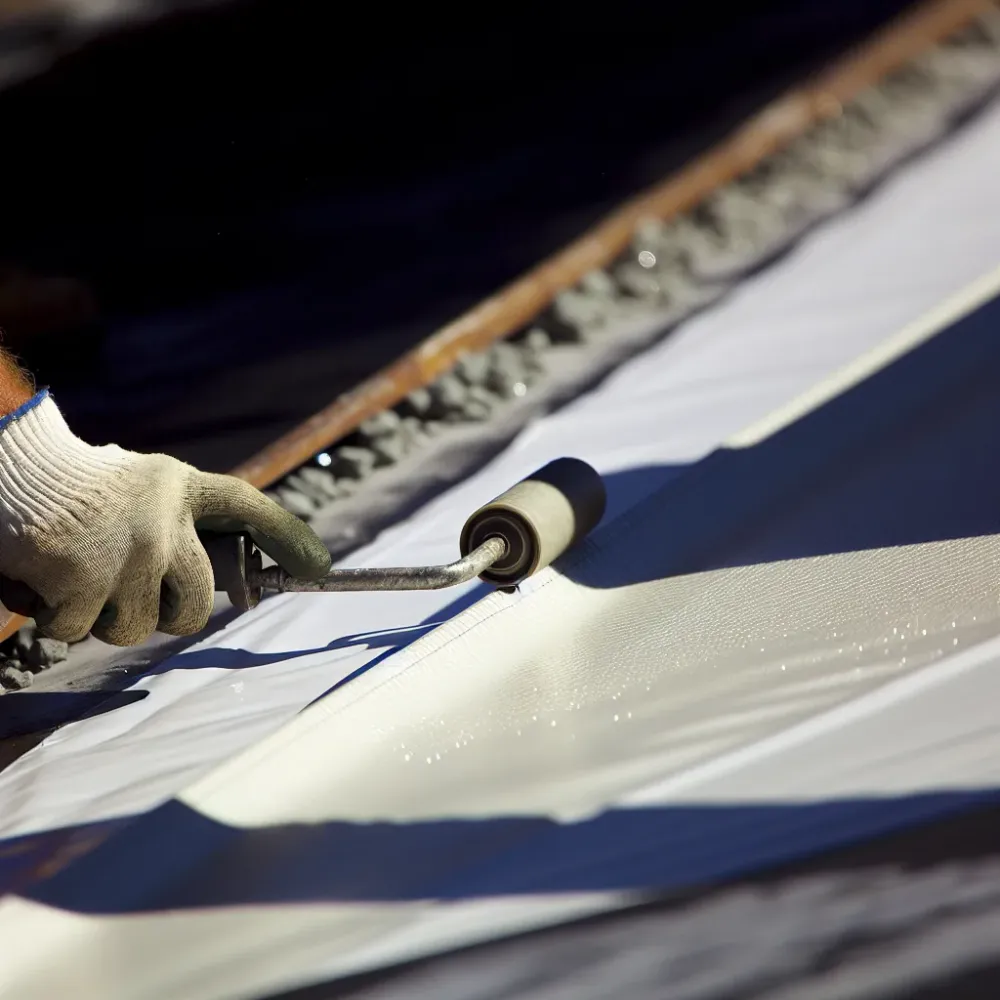
Flashing failures. The metal strips around vents, HVAC units, and roof edges take a beating. Flashing pulls away from the surface, corrodes, or gets loosened by wind. This is the number one source of commercial roof leaks we repair in Sacramento.
Clogged or damaged drains. Leaves, debris, and even birds’ nests block roof drains and scuppers. Blocked drainage turns a manageable rainstorm into interior water damage overnight.
Not sure if what you’re seeing is serious? That’s actually pretty common. Most commercial roof problems look minor from the ground. But up top, the story is usually different. A small soft spot could mean the insulation underneath is saturated. A hairline crack near a penetration could be leaking into your walls where you can’t see it.
Don’t wait for a ceiling collapse or a mold report to take action. If anything on this list sounds familiar, reach out before the next storm hits.
What to Expect When Prime Sac Roofs Arrives at Your Sacramento Property
We show up on time. That sounds basic, but you’d be surprised how many commercial roofing crews don’t.
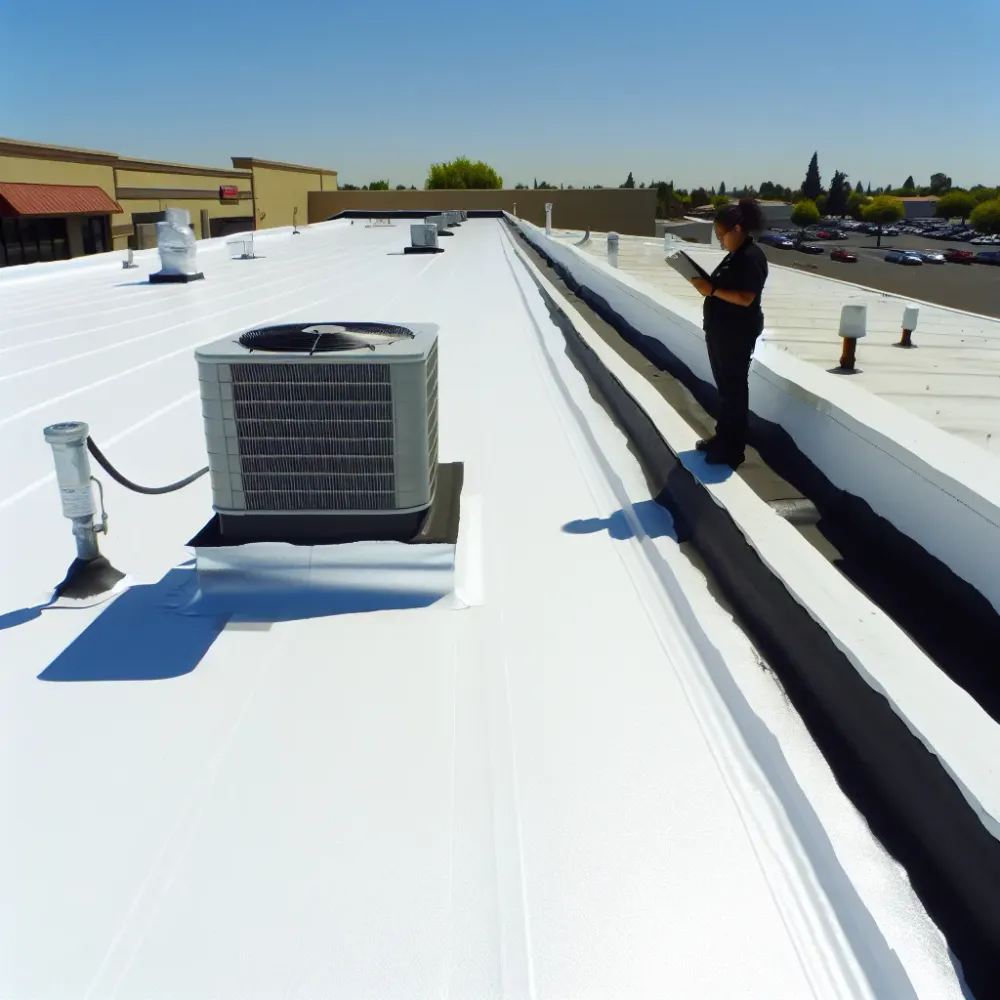
Here’s how our process works from the moment we pull up to your building. First, our project lead walks the entire property with you. We want to see what you’re seeing. Ponding water near your HVAC units? Bubbling along the membrane seams? Stains on your interior ceiling tiles? We look at all of it before anyone sets foot on the roof. This ground-level walkthrough takes about fifteen minutes, and it tells us a lot about what’s happening up top.
Then we go up. Our crew uses drone imaging and hands-on inspection together. The drone catches large-scale issues across flat roofs that are tough to spot at eye level. Think subtle low spots on a 20,000-square-foot warehouse roof near Richards Boulevard. You can’t always feel those with your boots. But the drone picks up every dip and slope variation. Meanwhile, we’re physically checking flashings, penetrations, drain screens, and edge details by hand.
Nine times out of ten, the real problem isn’t where the building owner thinks it is. A leak showing up in your office on the second floor might actually start forty feet away at a failed pipe boot. Water travels. That’s why we trace everything back to the source instead of just patching what’s visible.
We document the whole inspection with photos and notes. No guesswork. Before we leave your Sacramento property, you’ll get a clear explanation of what we found, what needs attention now, and what can wait. We don’t pile on unnecessary work. Our team has been licensed and insured for commercial projects across this region for years, and our reputation depends on being straight with you.
After the inspection, we put together a detailed scope of work. You’ll know exactly what’s being done, what materials we’re using, and how long it’ll take. Businesses in Midtown and the Railyards district have tight schedules and foot traffic to manage. We get that. So we coordinate around your operations, not the other way around.
Want us to come take a look? Call us and we’ll get on your schedule this week.
Need help with commercial roofing?
Call now for a free estimate. Prime Sac Roofs is ready to help.
How Sacramento Commercial Roof Inspections Protect Your Investment
Most roof problems don’t announce themselves. They start small. A tiny crack in the membrane. A clogged drain nobody noticed. Then one heavy rain hits, and suddenly you’ve got water pouring into your warehouse or office space.
We see this every single week in Sacramento. A building owner calls us after finding water stains on ceiling tiles or puddles near electrical panels. By that point, the damage underneath has been building for months. The repair bill? Way bigger than it needed to be. A routine inspection would’ve caught it early and saved thousands.
Here’s what a proper commercial roof inspection actually covers. We check every seam, flashing point, and penetration on your roof. That means around HVAC units, vents, skylights, and any equipment mounted up there. We look at drainage systems to make sure water flows off the way it should. We examine the membrane or coating for blistering, punctures, and UV breakdown. And we document everything with photos so you can see exactly what’s going on.
Sacramento’s climate is tough on flat roofs. According to the National Roofing Contractors Association, commercial roofs should be inspected at least twice per year. Our summers push surface temperatures well past 150 degrees on dark membranes. That kind of heat accelerates aging fast. Then winter brings valley rain that pools on any low spot.
Think your roof looks fine from the ground? That’s actually pretty common. But ground-level views hide 90% of what matters. Ponding water, lifted seams near parapet walls, deteriorated caulk around pipe boots. You can’t spot any of that from the parking lot.
For buildings in areas like Natomas and the Arden-Arcade corridor, we also check for wind uplift damage after storm events. Older buildings with built-up roofing systems are especially vulnerable.
Regular inspections give you a clear picture of your roof’s condition and a timeline for any repairs. No surprises. No emergency calls on a Monday morning. Just a solid plan that keeps your building dry and your budget predictable. Want us to take a look at yours? Contact us today and we’ll get something scheduled.
Watch Our Video
See How We Handle Commercial roofing in CA 95814
Prime Sac Roofs — Serving CA 95814 and surrounding areas
Choosing the Right Commercial Roofing Contractor in Sacramento
This is where most building owners get stuck. And, it’s the decision that matters most.
A roof system is only as good as the crew that installs or repairs it. We’ve been called out to fix jobs done by contractors who had no business being on a commercial building. Residential guys trying their hand at flat roofs. Unlicensed crews working off Craigslist ads. Every single time, the building owner ends up paying twice. So what to actually look for before you sign anything.
First, verify the contractor holds an active C-39 roofing license with the California Contractors State License Board. That’s non-negotiable. A general contractor license doesn’t cut it for commercial roof work in Sacramento. You want someone whose entire focus is roofing, not a handyman who “also does roofs.”
Ask about commercial-specific experience. A warehouse roof near Richards Boulevard has completely different demands than a strip mall in Natomas. Membrane systems, built-up roofing, metal panels, coating applications. These all require specialized training and equipment. If a contractor can’t explain the difference between TPO and modified bitumen without reading from a brochure, keep looking.
Nine times out of ten, the lowest bid means corners will get cut somewhere.
Look for proof of proper insurance. We’re talking general liability and workers’ compensation. If a worker gets hurt on your property and the contractor isn’t covered, that liability falls on you. Ask for certificates directly. Don’t just take their word for it. A reputable Sacramento contractor will hand those over without hesitation because they’ve done it a hundred times before.
References matter too. But don’t just ask for them. Actually call. Ask the previous client how the crew handled unexpected problems, whether they showed up on time, and if the roof has held up since completion. We encourage every potential customer to do this with us because what they’ll hear back.
Ready to talk through your project with a licensed team that knows Sacramento commercial buildings inside and out? Give us a call.
Frequently Asked Questions
Common questions about commercial roofing services in CA 95814
What types of commercial roofing systems work best in Sacramento’s climate?
TPO and modified bitumen systems hold up best in Sacramento’s extreme heat and wet winters. Our summers regularly hit 100 to 110 degrees, and that thermal stress destroys membranes that weren’t designed for it. TPO reflects heat well and cuts cooling costs. Modified bitumen handles the heat but needs quality installation to avoid blistering. We match the system to your specific building, not just what’s cheapest.
How do I know if my commercial roof has a serious problem?
Ponding water, ceiling stains, and soft spots are signs you should not ignore. Flat roofs should drain within 48 hours after rain. If water sits longer, your drainage is compromised. Membrane blisters and flashing gaps are also common warning signs we see on Sacramento buildings. Most problems look minor from the ground but are much worse up top. Call us before the next storm hits.
Does Sacramento have specific building codes that affect commercial roofing?
Yes, Sacramento follows California Building Code requirements that affect insulation values, fire ratings, and drainage design. Title 24 energy standards also apply to commercial re-roofing projects here. These rules impact which materials you can use and how the system must be installed. We stay current on local requirements so your project passes inspection without delays or costly rework.
How long does a commercial roofing project in Sacramento typically take?
Most commercial roofing repairs take one to three days. Full replacements on larger buildings can run one to two weeks depending on roof size and system type. We schedule work around your business hours when possible. Sacramento’s dry summers give us a long window for installation. We always give you a clear timeline before work starts so you can plan around it.
What happens during a commercial roof inspection when your crew arrives?
We start with a ground-level walkthrough with you to see what you’re seeing. Then we go up and use both drone imaging and hands-on checks. We inspect flashings, drains, penetrations, and membrane seams by hand. The drone catches low spots and large-scale issues across flat roofs. We document everything with photos. You get a clear picture of what’s wrong and what needs to happen next.
Can a commercial roof repair wait, or does it need to be fixed right away?
Small problems get expensive fast, especially in Sacramento where summer heat and winter rain hit hard back to back. A hairline crack near a vent can leak into your walls for months before you see it inside. Saturated insulation under the membrane rots your decking from below. Waiting almost always costs more. If something looks off, reach out now and we’ll tell you honestly how urgent it is.
Ready to Get Started?
Call now for a free estimate Call +19164148398 today.
