
Roof Repair in Rancho Cordova CA in CA 95814
Quick Summary:
Roof Repair in Rancho Cordova CA Near the Sacramento / Folsom Corridor
What’s Covered on This Page
- Roof Repair for Homes Along the Sacramento East Corridor
- How We Get to the Rancho Cordova and Folsom Area from Sacramento
- What Makes This Part of Sacramento Unique for Roof Repair
- Do you service homes along the Folsom Boulevard and Zinfandel Drive stretch in Rancho Cordova?
- Why do so many older homes near Mather Field Road have roofing problems that newer Rancho Cordova homes don’t?
- How does wind along US-50 affect roofs in the Rancho Cordova and Folsom Corridor area?
Need roof repair in rancho cordova ca?
Call now for a free estimate. Call Prime Sac Roofs now.
Roof Repair for Homes Along the Sacramento East Corridor
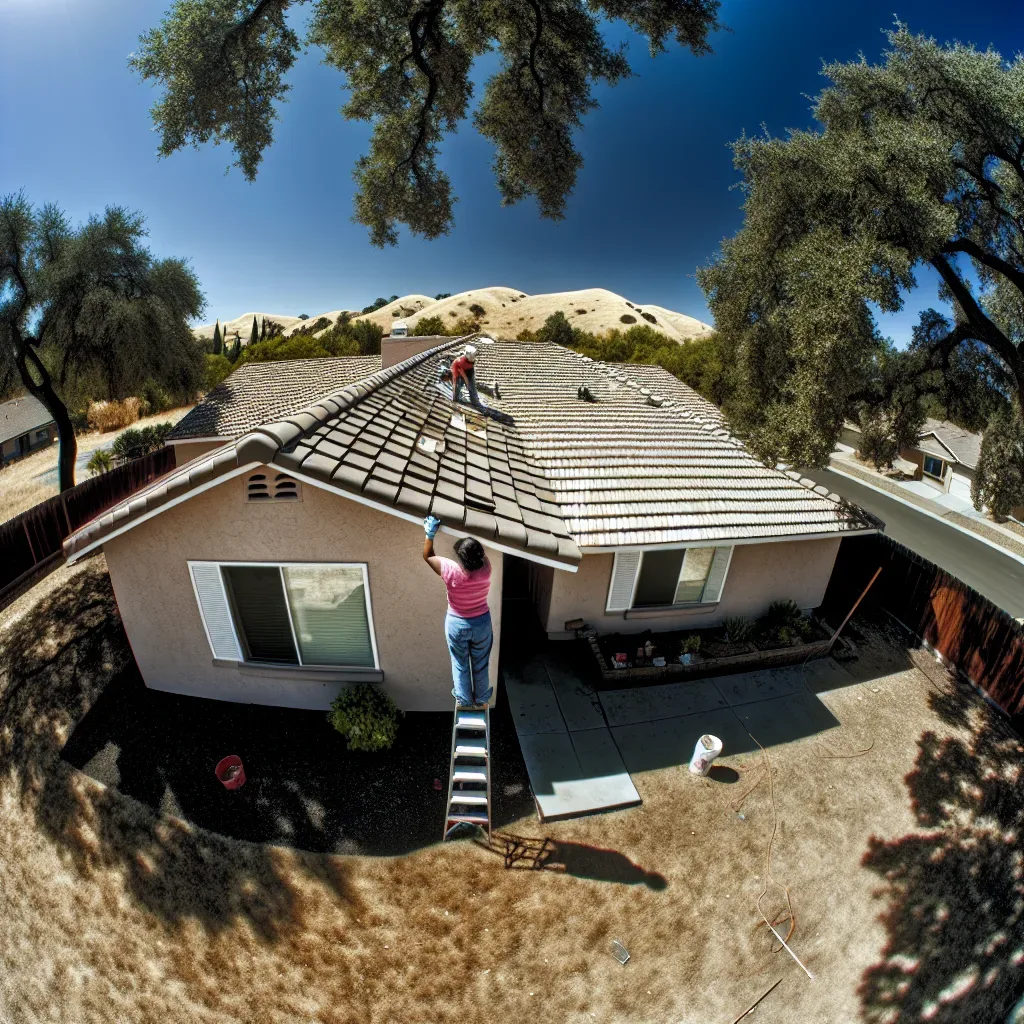
The stretch from Rancho Cordova to Folsom covers a lot of ground, and not just geographically. You’ve got post-war neighborhoods near Mather Field Road sitting a few miles from subdivisions that didn’t exist until 2003. The roofs on those homes couldn’t be more different. That variety is what makes this corridor one of the more demanding service areas in the greater Sacramento region.
Homes built in the 1960s through the 1980s between Mather Field Road and Sunrise Boulevard tend to have low-slope designs, pitches of 3:12 or even flatter. That’s rough on drainage. Water sits longer, works into seams, and finds any gap the original installer left behind. The wood decking on these homes is now 40 to 60 years old. When we pull back damaged shingles on a 1970s house near Kiefer Boulevard and find soft, spongy decking underneath, it’s not a surprise. It’s just Tuesday. That decking has to come out before anything new goes down. There’s no patching over it.
Fastener failure is everywhere on these older homes too. The original nails have gone through decades of Sacramento’s summer heat cycles, expanding and contracting until they back out or corrode past the point of holding anything. A shingle that looks fine from the street can be barely attached. One good windstorm off US-50 and it’s gone.
Near Sunrise Boulevard the job mix shifts. Ranch homes sit next to strip malls and small office buildings. The ranch homes often have two or even three layers of composition shingles stacked on top of each other, which was a common cost-cutting move for years. It causes problems. The added weight stresses the framing, and heat trapped between layers speeds up deterioration from below. Commercial buildings along that stretch are mostly flat or low-slope, running modified bitumen or built-up systems. Ponding water, seam separations, damaged flashing around rooftop HVAC units. Those are the calls we get. If you’re seeing any of that, call us and we’ll give you a straight answer on what it’ll take to fix it.
East toward Folsom, concrete tile takes over. Flat profile and S-tile are both common in the subdivisions that went up in the late 1980s and through the 1990s. Tile holds up well, but Sacramento’s heat is brutal on it. Daytime temperatures push past 100 degrees, then drop 30 or 40 degrees overnight. That daily expansion and contraction cracks tiles along stress points and works fasteners loose on steeper pitches. One cracked or slipped tile leaves the underlayment exposed. UV breaks it down fast. Then rain gets in. What could’ve been a $200 repair turns into something much worse after a couple of wet winters.
Chimney flashing is its own category on the older homes in this corridor. Original step flashing and counter flashing was usually galvanized steel, and that material just doesn’t hold up in Sacramento’s dry heat over the long run. The coating breaks down, the steel corrodes, and the sealant that seals it against masonry dries out and cracks. Homeowners usually spot a water stain near the fireplace after the first big rain of the season. By then, water has often been getting behind that flashing for a while, quietly damaging the framing and decking around the chimney. A real fix means pulling all the old flashing, replacing any rotted wood, installing new step flashing course by course, and cutting fresh reglets for the counter flashing. Lead-coated copper or painted aluminum will outlast whatever galvanized steel was there originally by a wide margin. Proper roofing abatement and material standards — like those outlined by abatement, insulators and roofing professionals at Facilities Services — underscore why material selection in older structures matters so much.
Wind is a factor people don’t always think about. US-50 creates a tunnel effect during spring storms, and homes along Coloma Road and Folsom Boulevard catch that accelerated wind harder than more sheltered neighborhoods elsewhere in Sacramento. Aging adhesive strips on composition shingles lose their bonding strength over time. When wind gets under a lifted edge, it doesn’t take much to fold or tear the shingle off entirely. Get your roof looked at before storm season. Catching a lifted edge early costs a fraction of what you’ll spend after a soaking rain gets into your sheathing.
How We Get to the Rancho Cordova and Folsom Area from Sacramento
We’re out of Sacramento, and the drive east on Highway 50 toward Rancho Cordova and Folsom is one we make constantly. On a clear morning we’re at your door in about 20 minutes.
Highway 50 is the main route. We watch the neighborhoods change as we pass Bradshaw Road, the grid loosening up into wider streets and bigger lots. For jobs in central Rancho Cordova, the Mather Field Road exit drops us right where we need to be. The streets south of there, near the old Mather Air Force Base footprint, are full of homes from the 1950s and 1960s. A lot of original roofing material still hanging on out there, well past its expected life.
For anything along Folsom Boulevard, we take Zinfandel Drive instead. That stretch between Zinfandel and Hazel Avenue mixes commercial plazas with residential pockets tucked behind them. We’ve repaired roofs on single-story ranch homes along Dolecetto Drive and Rossmoor Drive more times than we can count. Fall is when those calls pick up. The mature trees in those neighborhoods drop heavy debris, and that debris finds its way into every valley and gutter on the roof.
Some customers are further out, in the newer developments south of White Rock Road near Anatolia and Sunridge. We take Sunrise Boulevard south from the highway to reach those. The roofs are different out there. Tile and concrete profiles instead of the composition shingles you see in older Rancho Cordova. We come stocked for both.
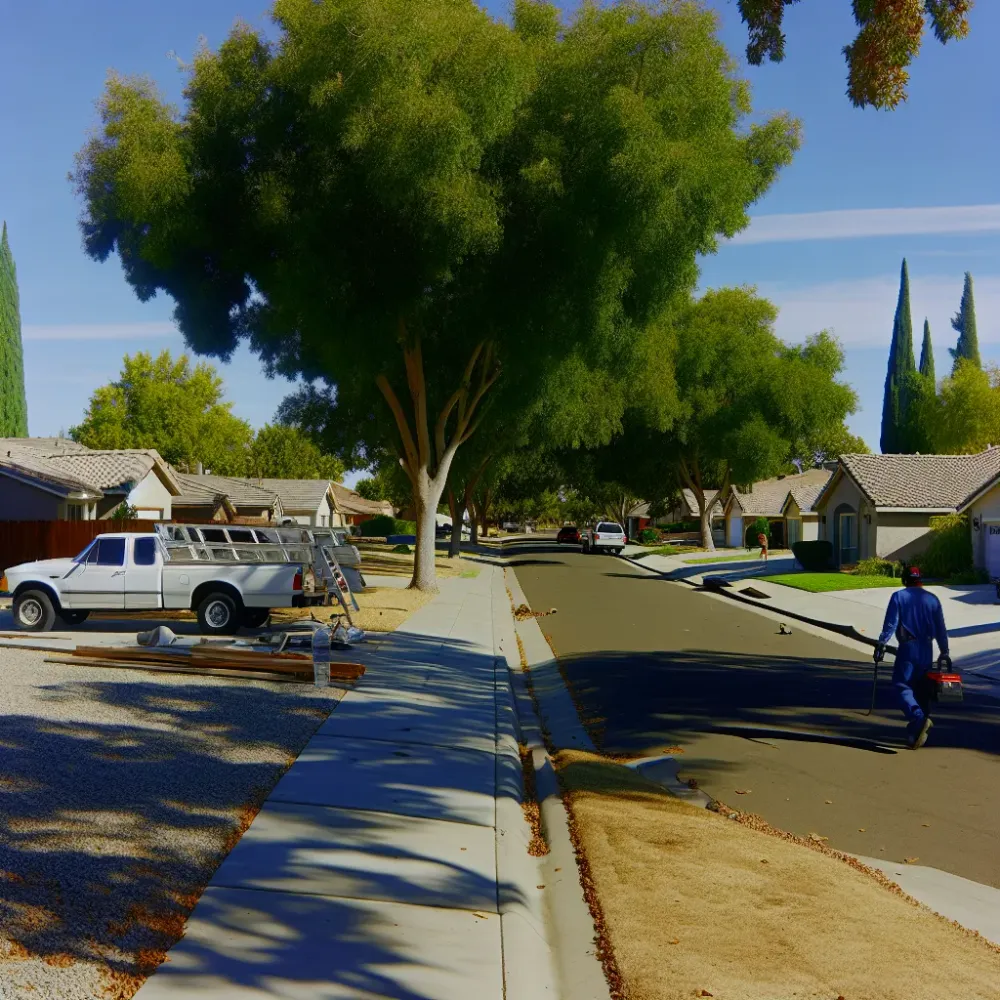
We know which routes to skip at certain times. Folsom Boulevard between Bradshaw and Routier Road crawls during the afternoon commute. If we’re wrapping up a job near Gold River around 4:30, we’ll jump back on Highway 50 westbound rather than sit through surface street traffic all the way back to Sacramento.
Last spring, a homeowner off Coloma Road near Mills Station called after a heavy rain. We were there within the hour. Cracked flashing around a vent pipe. Common on the flat-to-low-slope roofs in that part of the corridor. We fixed it before the ceiling drywall got any worse. Call us and we’ll get out to you just as fast.
Our trucks stay stocked with the materials we use most in this area. No supply house runs, no waiting. If you need roof repair, call now. We’re already nearby.
Watch Our Video
See How We Handle Roof Repair in Rancho Cordova CA in CA 95814
Prime Sac Roofs — Serving CA 95814 and surrounding areas
What Makes This Part of Sacramento Unique for Roof Repair
The land between Rancho Cordova and Folsom is a patchwork. Homes from the 1960s on one street, a brand-new development two blocks over. That age gap matters more than most people realize when it comes to roofing.
Older homes along Coloma Road and near Mather Field have been baking under Sacramento’s dry summers for decades. Granule loss on a 30-year-old composition roof out here can be shocking when you see it up close. Cracked shingles, exposed underlayment, lifted edges. These aren’t unusual findings. They’re the norm.
But newer builds have their own problems. Homes in Anatolia and Kavala Ranch went up fast during the housing boom. Fast construction doesn’t always mean careful construction. We’ve pulled back tiles on homes barely 15 years old and found flashing that was never properly sealed. Water finds those gaps every winter. If your home is in one of these newer communities, it’s worth having us check before the rainy season starts.
Sacramento’s weather pattern does real damage here. Summers push past 105 degrees. Then winter storms roll through the valley and drop rain for days at a stretch. That swing from bone-dry heat to heavy moisture causes thermal expansion in roofing materials. Tiles crack. Sealant shrinks and pulls away. Nails back out of plywood decking. We deal with this cycle on every service call along Sunrise Boulevard and Hazel Avenue. It doesn’t stop.
Oak trees are everywhere in this corridor. Massive valley oaks drop branches and acorns from fall through spring. We’ve repaired punctured shingles on homes near Hagan Community Park where a single limb came down in a December storm and cracked three tiles. And the branches that don’t fall still cause damage. They hang over the roof, trap moisture, and pile debris into valleys and gutters. That debris holds water against the roof deck. The deck rots. You don’t notice until there’s a stain on your ceiling.
Soil conditions are something most roofers wouldn’t think to factor in. Parts of Rancho Cordova sit on expansive clay soil influenced by the American River floodplain. Foundations shift slightly over time. When the foundation moves, the roofline moves with it. Cracked ridge caps and separated flashing on homes where the real problem started underground. It’s something we check for specifically in this area because we’ve seen it enough times to know it’s not rare.
The commercial plazas along Folsom Boulevard and Zinfandel Drive have flat roofs with ponding water problems after every significant rain. Residential streets a block off the main road have completely different issues. Low-slope ranch homes collect pine needles in every valley. Two-story stucco homes have chimney flashing pulling away from the wall. Each block in this corridor tells a different story.
A generic inspection doesn’t cut it here. You need someone who knows that the homes off White Rock Road were built by different developers than the ones near Cordova Town Center, and that those differences show up in how the roofs fail. Call us and tell us your cross streets. We probably already know what we’re going to find before we pull up.
Frequently Asked Questions
Common questions about roof repair in rancho cordova ca services in CA 95814
Do you service homes along the Folsom Boulevard and Zinfandel Drive stretch in Rancho Cordova?
Yes, we cover that entire stretch regularly. We take Zinfandel Drive off Highway 50 to reach homes between Zinfandel and Hazel Avenue. That area mixes ranch homes with commercial buildings, and we know the roof types well. Fall is our busiest season out there. Heavy tree debris clogs valleys and gutters fast. Call us before the rain hits.
Why do so many older homes near Mather Field Road have roofing problems that newer Rancho Cordova homes don’t?
Homes near Mather Field Road were built in the 1950s through 1980s. The wood decking is now 40 to 60 years old, and the original nails have corroded through decades of Sacramento’s heat cycles. Low-slope designs also let water sit longer and work into seams. That combination causes damage you simply don’t see in newer tile-roof subdivisions south of White Rock Road.
How does wind along US-50 affect roofs in the Rancho Cordova and Folsom Corridor area?
US-50 creates a tunnel effect during spring storms. Homes along Coloma Road and Folsom Boulevard catch that accelerated wind harder than more sheltered Sacramento neighborhoods. Aging adhesive strips on composition shingles lose bonding strength over time. When wind gets under a lifted edge, the shingle can tear off entirely. We recommend getting your roof inspected before storm season every year.
Ready to Get Started?
Call now for a free estimate Call +19164148398 today.
