
Roof Repair near Woodland Community College in CA 95814
Quick Summary:
Roof Repair near Woodland Community College in Sacramento
What’s Covered on This Page
Need roof repair near woodland community college?
Call now for a free estimate. Call Prime Sac Roofs now.
Roof Repair for Homes in the Woodland Community College Area
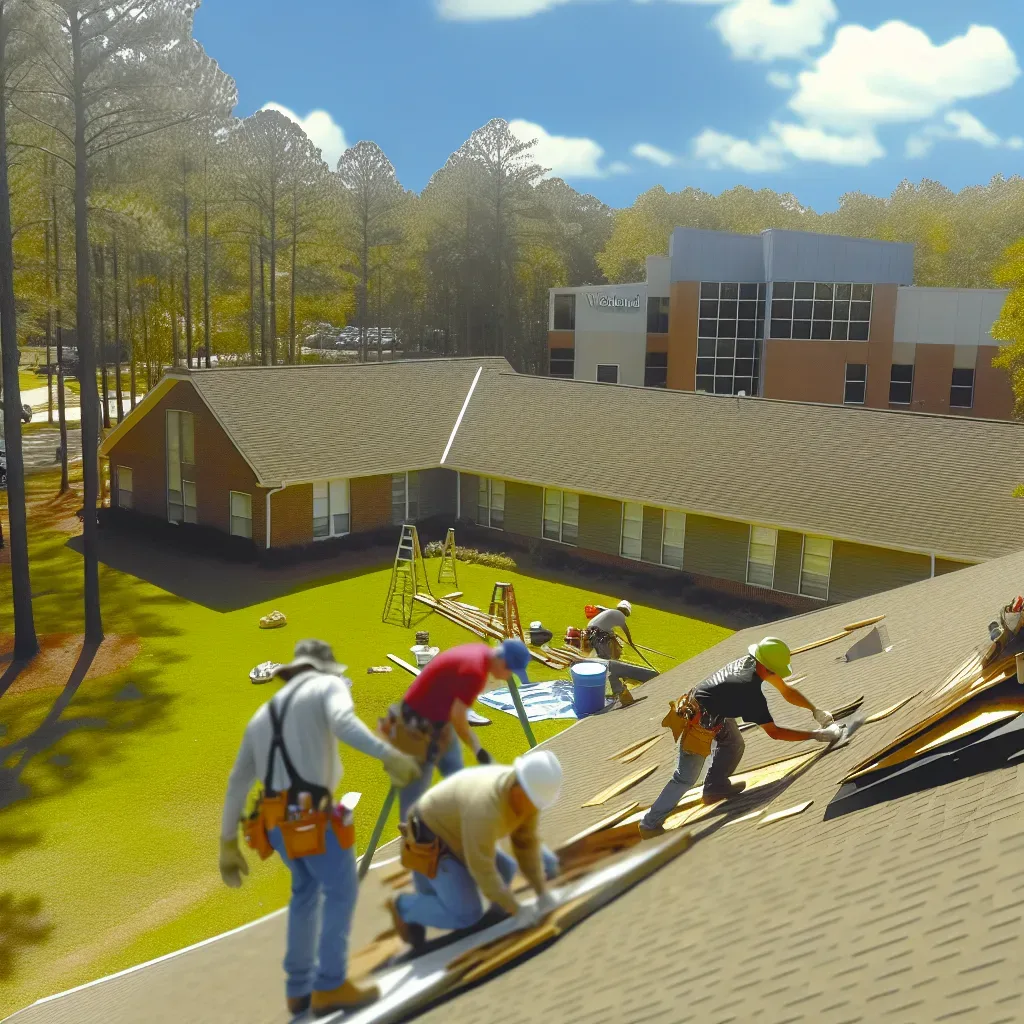
The neighborhoods around Woodland Community College are a real mix. Older ranch-style homes from the 1960s sit next to newer builds on the same block. Flat-roof duplexes near East Street. Composition shingle jobs along College Street. Each one ages differently under Sacramento’s heat, and we’ve worked on just about every type out here.
Homes built in the 1960s and 1970s make up a big chunk of the housing stock in this part of Sacramento. Those roofs have been through decades of valley heat. The plywood underneath dries out. Shingles curl at the edges. And by the time a homeowner spots a water stain on the ceiling, the damage has already spread well past the surface.
One thing we spot around the campus is how many mature trees line the residential streets. Oak branches hang right over rooflines on blocks near Cottonwood Street. Leaves pile up in valleys and gutters every fall, and that trapped moisture rots the underlayment faster than most people expect. If your roof sits under heavy tree cover near the campus, a quick inspection can save you thousands.
Sacramento’s rainy season hits these older homes hard. The soil in this area is heavy clay, so water doesn’t drain away quickly. That same slow drainage means standing water on flat or low-slope roofs. We’ve pulled back roofing material on homes just south of the campus and found soft, spongy decking underneath. Catching that early is everything.
Students and faculty who rent nearby sometimes report leaks to landlords who delay repairs. We work with property owners throughout this part of Sacramento to handle fixes before small leaks turn into mold problems. A missing shingle near a vent pipe takes thirty minutes to fix. Ignoring it for a season can mean replacing an entire section of roof deck.
The campus sits in a relatively flat stretch of Sacramento, which means wind doesn’t usually cause dramatic damage here. But that valley heat does something sneaky. It bakes the adhesive strips on three-tab shingles until they lose their bond. Then a moderate November wind peels them right off. We see this pattern every year on homes within a few blocks of the college.
So if you’ve been putting off a roof check, now’s the time. Give us a call and we’ll come take a look while the weather’s still dry.
How Our Team Reaches the Woodland Community College Area
We’re usually already close by. Our crews work throughout Sacramento’s north side, so getting to this part of town doesn’t eat up half the day in drive time.
Most calls from this part of Sacramento come from neighborhoods tucked between the campus and East Street. We’ll hop off Interstate 5 at the Main Street exit and head west. Straight shot past the agricultural fields that border the campus. The whole route takes about 25 minutes from our base, depending on traffic near the I-5/Richards Boulevard interchange.
And that matters to you. A shorter drive means we show up faster. It also means we’re not tacking on extra travel costs or rushing through your inspection because we’ve got a long haul back.
The streets around the campus have their own personality. Lots of the homes sit on larger lots compared to midtown Sacramento, which means more roof square footage, more wind exposure, and more debris from the mature trees that line the blocks near College Street and Court Street. We’ve pulled branches off roofs in this area more times than we can count. Big valley oaks drop limbs during winter storms, and those limbs punch through aging shingles like they’re cardboard.
One thing we’ve seen working out here is how many homeowners don’t realize their roof took a hit until the next rain. A family just south of the campus called us last spring. They’d seen a branch fall during a February storm but figured it bounced off. Three weeks later, water was dripping into their hallway closet. By the time we got up there, the underlayment was already soaked through in a two-foot section. Same-day response could’ve saved them a bigger repair bill.
So if you’re in this part of Sacramento and you hear something land on your roof, call us that same day. We can get eyes on it fast.
Many homes out here were built in the 1970s and 1980s with composition shingle roofs that are now well past their expected lifespan. The flat Central Valley heat bakes those shingles every summer, and the tule fog that rolls through Sacramento in winter keeps moisture sitting on surfaces for days. That combination wears roofing materials down faster than most homeowners expect.
We also handle calls from rental properties near the college. Landlords who own duplexes and small multi-unit buildings along the blocks closest to campus rely on us to keep their roofs patched between tenants. These older rental properties often have flat or low-slope sections that pool water when drainage isn’t maintained.
But here’s what really sets our response apart for this neighborhood. We don’t just drive out, look at your roof from the ground, and hand you a quote. We get up there. We check the flashing around vents, inspect the valleys where two roof planes meet, and look at where your gutters attach to the fascia. Clogged gutters from all those campus-area trees cause water to back up under the roof edge. We check for that too.
Give us a call and we’ll get a crew out to your Sacramento home this week.
What Makes the Woodland Community College Neighborhood Distinct for Roof Work
The blocks surrounding Woodland Community College sit in one of Sacramento’s flatter stretches. No hills to redirect water runoff. Roofs in this pocket take the full force of every rainstorm, with nowhere for pooling water to go but down through weak spots.
We’ve pulled up shingles on homes along East Street and found moisture damage that started small. A tiny crack around a vent pipe. Six months of Sacramento valley rain later, the whole section of decking was soft. Flat lots and older drainage systems in this area make this a pattern we see over and over.
Most of the housing stock within a half-mile of the campus was built between the 1960s and 1980s. Those homes came with composition shingle roofs designed to last about 20 years. Many of them are on their second or third roof now, and each layer adds weight while hiding problems underneath. We’ve worked on homes near the corner of College Street and Gibson Road where previous roofers just laid new shingles over old ones. That shortcut creates uneven surfaces that trap water and speed up wear. Understanding roofing materials and system standards for composition shingles helps explain why layering shortcuts cause long-term problems.
The campus itself creates a unique wind corridor. Open parking lots and low-profile buildings let Central Valley gusts sweep through without any buffer. Homes on the east and north sides of the college catch that wind head-on. Lifted shingle tabs and loosened flashing around chimneys. We fix those constantly in this specific area.
Mature trees line many of the residential streets near the campus. Big valley oaks and elms drop branches and leaves year-round. Debris piles up in roof valleys and behind dormers, and it holds moisture against the roofing material for weeks at a time. So what looks like a clean roof from the ground is actually rotting in spots you can’t see without climbing up there.
Here’s a scenario we run into a lot. A homeowner renting to college students notices a ceiling stain in an upstairs bedroom. They call us out. We get on the roof and find a swamp cooler pad that hasn’t been maintained in years. The metal stand has rusted through, leaving holes in the roof surface. Swamp coolers are everywhere in this part of Sacramento because so many of these homes were built before central air became standard. The cooler itself becomes a roof repair issue that most people never think about until water’s coming in.
Sacramento’s summer heat is brutal on this neighborhood too. Temperatures above 100 degrees bake roofing materials for weeks straight. This area doesn’t get the afternoon shade that neighborhoods with taller buildings enjoy. Direct sun from sunrise to sunset accelerates cracking and curling on asphalt shingles. We see roofs age faster here than in tree-canopied parts of Sacramento just a few miles away.
exactly what to look for on these roofs because we’re out here regularly. The combination of aging homes, flat terrain, wind exposure from the campus corridor, and intense sun creates a specific set of repair needs. Not generic roof problems. Problems tied directly to where these houses sit.
If you’ve noticed granules in your gutters or daylight through your attic boards, don’t wait on it. Give us a call before the next rainy season turns a small fix into a big one.
Ready to Get Started?
Call now for a free estimate Call +19164148398 today.
