
Gutter cleaning in CA 95814
Quick Summary:
Gutter Cleaning in Sacramento: Keep Water Moving and Damage Away
What’s Covered on This Page
- Why Sacramento Gutters Clog Faster Than You Think
- Signs Your Sacramento Home Needs Gutter Cleaning Now
- What Gutter Cleaning in Sacramento Actually Involves
- How Sacramento’s Climate Shapes Your Gutter Cleaning Schedule
- What Happens After Gutter Cleaning: Verifying the Work Is Done Right
- How often should Sacramento homeowners get their gutters cleaned?
- What happens when we come out to clean your gutters?
- Why do Sacramento gutters clog so much faster than other areas?
- Can clogged gutters really damage my foundation?
- How do I know if my gutters need cleaning right now?
- Do you service homes across Sacramento or just certain areas?
Why Sacramento Gutters Clog Faster Than You Think
Most folks assume gutters only clog in fall. That’s not how it works here.
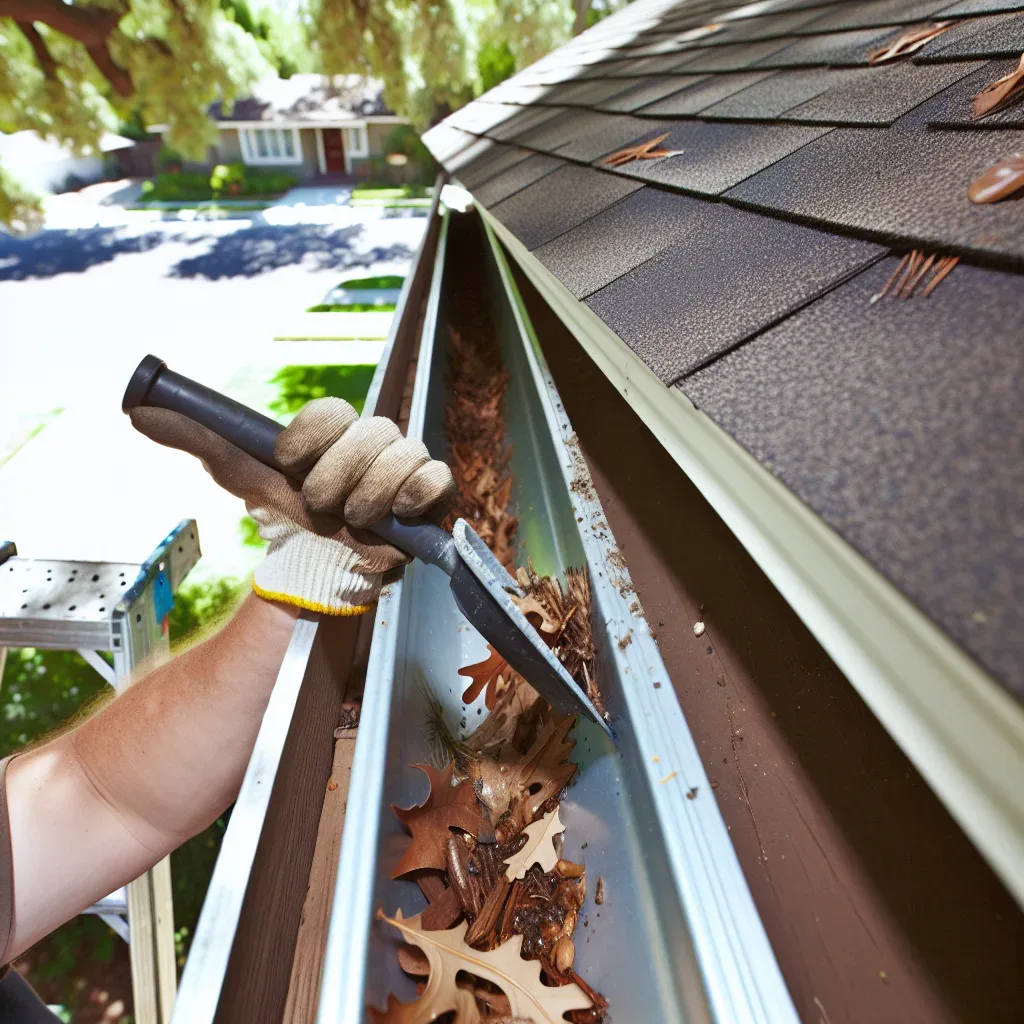
Sacramento has a unique mix of trees, weather, and dust that keeps gutters filling up year-round. Those big valley oaks and liquid ambers in Land Park and East Sacramento? They drop leaves for months. But leaves are only part of the problem. Pine needles, seed pods, and those tiny helicopter seeds from maple trees pack into gutter channels tight. Real tight. We pull out clumps so dense they’ve basically turned into bricks.
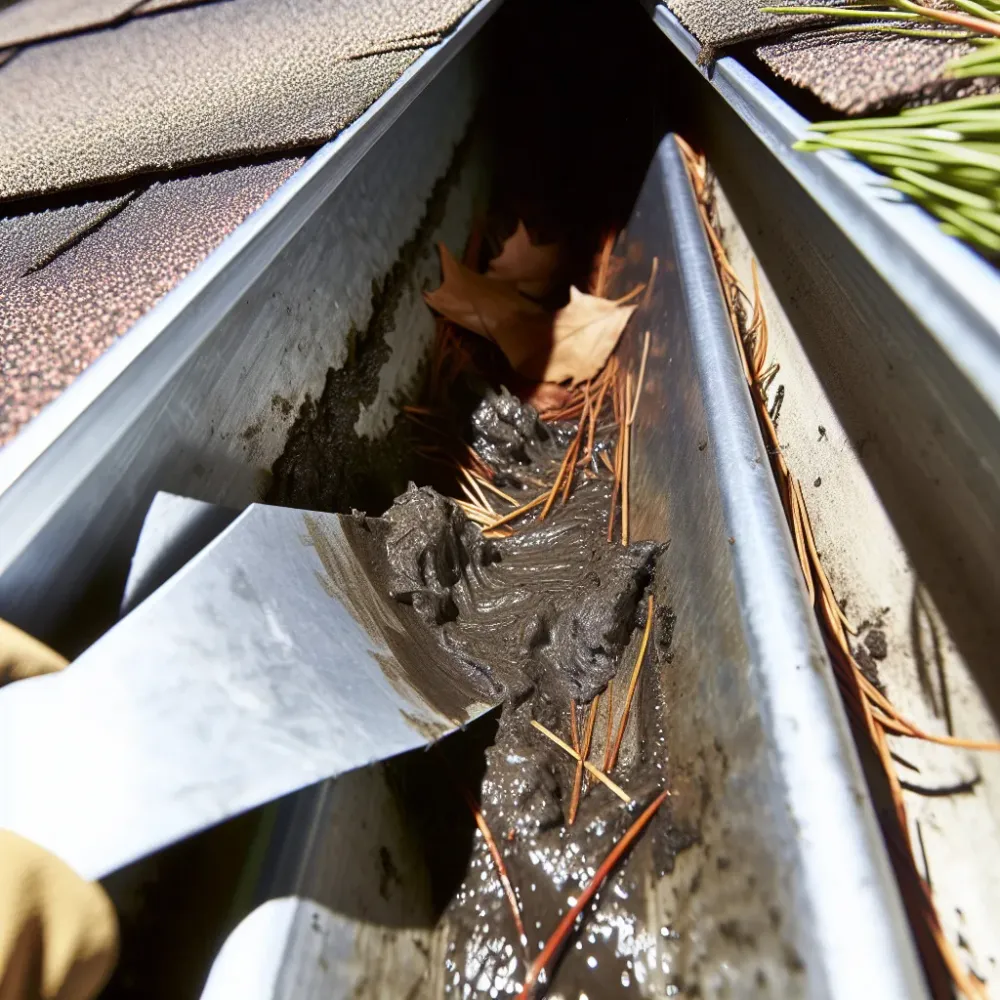
Then there’s the dust. Our dry summers coat everything in a fine layer of valley grit. That dust settles into your gutters and mixes with whatever organic debris is already sitting there. Add the first rain of the season and you’ve got instant mud. It sticks to the bottom of the channel and won’t budge without hands-on removal. Nine times out of ten, that’s what we find when someone calls us in October saying their gutters “just stopped working.”
Here’s something people don’t think about. Sacramento’s spring brings cottonwood, pollen, and blossoms that create a sticky mesh over your downspout openings. Your gutters might look fine from the ground. But up on the ladder, we see a filter of gunk blocking every outlet. And birds love building nests in Sacramento gutters during early spring, especially in the eaves of older homes around Midtown.
So you’re not dealing with one clogging season. You’re dealing with four. Leaves in fall, mud buildup in winter, pollen and nests in spring, dust accumulation all summer long. Each one layers on top of the last if nobody clears it out.
The real danger? A clogged gutter doesn’t announce itself. Water just quietly spills over the edge, pools near your foundation, and starts doing damage you won’t notice for months. According to the National Association of Home Builders, water damage from poor drainage is one of the most common and costly issues homeowners face. That’s exactly what a packed gutter causes.
You don’t have to wait until something goes wrong. If it’s been more than six months since your last cleaning, your Sacramento gutters are almost certainly holding more than you’d expect. Give us a call and we’ll tell you exactly what we find up there.
Signs Your Sacramento Home Needs Gutter Cleaning Now
You might not think about your gutters until something goes wrong. That’s how it works for most people. But your home is usually giving you clues well before real damage starts.
The most obvious sign? Water pouring over the sides during a rainstorm. If you see water spilling past your gutters instead of flowing through the downspouts, there’s a blockage. We see this every single week in Sacramento, especially after the valley oaks and sycamores drop their leaves in fall. Those leaves pack down tight, and once they get wet, they form a dense mat that nothing gets through.
But overflow isn’t the only warning. Look at your gutters from the ground. Can you see plants growing out of them? That means dirt and decomposed leaves have been sitting up there long enough to become soil. Homes near the American River Parkway tend to get this fast because of all the cottonwood seeds that blow through in late spring.
Here are some other things our customers notice before they call us:
- Staining or streaks running down the side of the house
- Gutters pulling away from the fascia board or sagging in the middle
- Birds, wasps, or pests hanging around the roofline
- Puddles forming right next to the foundation after rain
- A musty smell near exterior walls or in the crawl space
That last one catches people off guard. A musty smell near your foundation often means water has been pooling where it shouldn’t. Over time, that moisture leads to mold growth and even structural issues. According to the National Association of Home Builders, clogged gutters are one of the top causes of preventable water damage to residential foundations.
Not sure if what you’re seeing is a real problem? Nine times out of ten, if something looks off, it is. One Sacramento homeowner in Land Park called us because she noticed ants trailing up her downspout. Turned out the gutters were packed solid and holding standing water. That stagnant water was attracting insects and starting to rot the fascia board underneath.
Don’t wait for a heavy Valley rainstorm to find out. If any of these signs look familiar, give us a call and we’ll take a look before it turns into something bigger.
What Gutter Cleaning in Sacramento Actually Involves
Most people think gutter cleaning is just scooping out leaves. That’s maybe 30% of the job. The rest is what actually protects your home.
We start every visit with a full inspection of your gutter system from the roofline down to the downspouts. We’re checking for sagging sections, loose brackets, and any spots where water might be pooling instead of flowing. In Sacramento, our clay soil shifts enough over time that gutters pull away from the fascia board more than you’d expect. We see it constantly in older areas like Curtis Park, where mature trees drop an incredible amount of debris year-round.
Then comes the actual cleanout. We remove everything by hand first. Leaves, pine needles, seed pods, that thick black sludge that builds up at the bottom. Sacramento’s mix of oak, elm, and valley oak trees creates a unique combination of debris that compacts fast, especially after our dry summers turn to fall rain. Nine times out of ten, homeowners don’t realize how packed their gutters are until we pull out a solid mat of decomposed material.
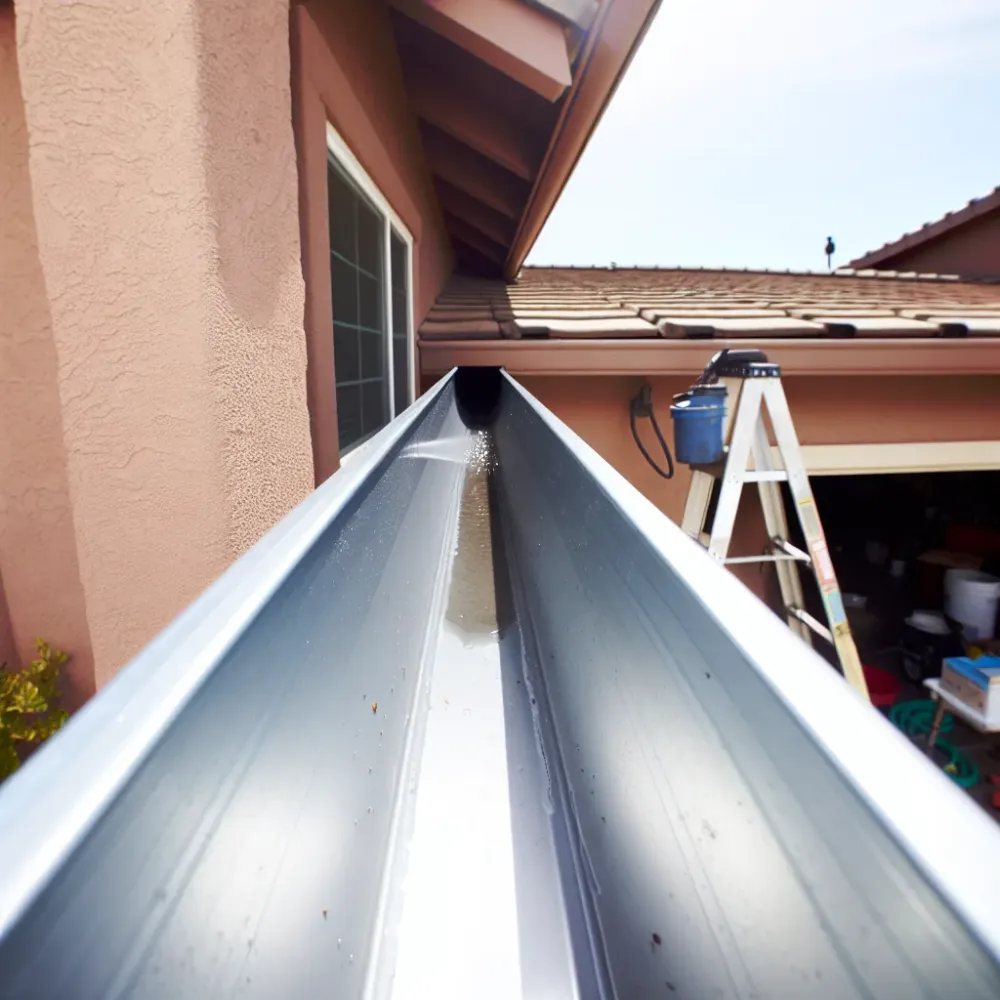
After the debris is out, we flush every downspout with water to confirm it’s draining properly. Clogs love to hide in downspout elbows. If water backs up, we clear the blockage right there. No guesswork.
We also check your gutter slope. Gutters need a slight pitch toward each downspout. Even a quarter inch off can cause standing water, which leads to rust, mosquito breeding, and overflow damage to your foundation. It’s a small detail that makes a huge difference.
Before we leave, we bag all the debris and do a final walkthrough with you if you’re home. We want you to see exactly what we found and what condition your system is in. That way you know what’s happening up there instead of wondering. Our crew has been doing this work across Sacramento for years, and we’re licensed and insured for every job we take on.
Ready to get your gutters handled the right way? Give us a call and we’ll set up a time that works for you.
Need help with gutter cleaning?
Call now for a free estimate. Prime Sac Roofs is ready to help.
How Sacramento’s Climate Shapes Your Gutter Cleaning Schedule
Sacramento doesn’t get rain year-round. But when it comes, it comes hard. That dry-to-wet swing is exactly what makes gutter maintenance here so different from other parts of the country.
Our summers are long and bone-dry. Months of zero rainfall let dust, pollen, and debris pile up in your gutters without you ever noticing. Oak leaves curl and crumble. Pine needles settle in layers. By the time October rolls around, your gutters can be packed tight with material that’s been baking since May. We see this every single week during fall cleanings. Homeowners are genuinely surprised at what comes out of gutters that looked fine from the ground.
Then the atmospheric rivers hit. According to the National Weather Service, Sacramento’s rainy season delivers the bulk of its annual rainfall between November and March. That’s a narrow window. Your gutters need to handle heavy, sustained downpours with almost no warm-up period. If they’re clogged when that first big storm arrives, water has nowhere to go. It spills over the edges, pools against your foundation, and saturates the soil around your home. In Curtis Park and along streets lined with mature oaks, this happens constantly.
So what’s the right schedule? For most Sacramento homes, twice a year works well. Once in late fall, after the majority of leaves have dropped. And once in early spring, after the heaviest rains have passed. That spring cleaning catches anything that washed into the gutters during winter storms.
Some homes need more. If you’ve got a property near the American River Parkway or anywhere with heavy tree canopy, three cleanings a year isn’t overkill. It’s practical. Nine times out of ten, the homes with the worst clogs are surrounded by trees the owner stopped thinking about years ago.
Not sure where your home falls on that spectrum? Give us a call and we’ll help you figure out the right timing. The goal is simple. Clean gutters before the rain, not during the panic.

Watch Our Video
See How We Handle Gutter cleaning in CA 95814
Prime Sac Roofs — Serving CA 95814 and surrounding areas
What Happens After Gutter Cleaning: Verifying the Work Is Done Right
A clean gutter should prove itself. Not just look good from the ground.
We run water through every single downspout before we pack up. That’s the real test. If water pools, backs up, or drains slow, something’s still wrong. And we’d rather catch it while we’re on the ladder than have you call us back after the next storm. In Sacramento, where fall leaves from valley oaks can pack a downspout tight, this flush test matters more than people realize. Nine times out of ten, a clog we find during verification is deep inside the downspout elbow where you’d never see it from above.
So what exactly are we checking? The full list looks like this. We confirm every gutter run is clear of debris, dirt, and standing water. We inspect each joint and end cap for leaks. We verify downspouts drain freely all the way to the ground outlet. And we look at the fascia board behind the gutters for soft spots or early rot.
That fascia check is something most crews skip. But we’ve seen homes in Land Park where a tiny leak behind the gutter soaked the fascia for months before anyone noticed. By the time the homeowner called, they needed a carpenter too. A quick visual inspection during gutter cleaning catches that early.
We also check gutter slope. Your gutters should tilt slightly toward each downspout. If they’ve sagged or pulled away from the roofline, water just sits there. Standing water in Sacramento’s summer heat breeds mosquitoes fast. It also adds weight that pulls hangers loose even further. We’ll let you know if we spot a pitch problem so you can address it before it gets worse.
Before we leave, we walk you through what we found. Debris type, any trouble spots, anything that needs attention soon. You’ll know exactly what shape your gutters are in. Not a mystery. Not a guess. Want that kind of thorough follow-through on your home? Give us a call and we’ll get you on the schedule.
Frequently Asked Questions
Common questions about gutter cleaning services in CA 95814
How often should Sacramento homeowners get their gutters cleaned?
Most Sacramento homes need gutter cleaning at least twice a year. But honestly, four times a year is better here. We deal with four clogging seasons — leaves in fall, mud in winter, pollen and nests in spring, and dust all summer. If you have valley oaks, liquid ambers, or pine trees near your roofline, debris builds up faster than you’d expect. Skipping a cleaning means each season layers on top of the last.
What happens when we come out to clean your gutters?
We start with a full inspection of your gutter system before we touch anything. Then we remove all debris by hand — leaves, pine needles, seed pods, and that thick black sludge at the bottom. After that, we flush every downspout with water to confirm it drains properly. We also check your gutter slope and look for sagging sections or loose brackets. You get a clear picture of what we found and what your system needs.
Why do Sacramento gutters clog so much faster than other areas?
Sacramento’s mix of trees, dry summers, and valley dust creates a year-round clogging problem. Those big valley oaks and liquid ambers drop leaves for months. Our dry summers coat everything in fine grit that turns to mud with the first rain. Spring brings cottonwood, pollen, and blossoms that block downspout openings. Neighborhoods like Land Park and East Sacramento have heavy tree canopy, which means debris builds up even faster than in newer parts of the city.
Can clogged gutters really damage my foundation?
Yes, and it happens faster than most people realize. When gutters overflow, water pools right next to your foundation. Sacramento’s clay soil holds that moisture instead of draining it away. Over time, that leads to mold, wood rot, and structural problems. The National Association of Home Builders lists clogged gutters as one of the top causes of preventable water damage to residential foundations. The damage is quiet and slow — you won’t notice it until it’s already costly.
How do I know if my gutters need cleaning right now?
Look for water spilling over the sides during rain instead of flowing through the downspouts. That’s the clearest sign. You should also watch for sagging gutters, streaks on your siding, plants growing out of the channel, or puddles forming near your foundation after a storm. A musty smell near exterior walls is another warning sign. If it’s been more than six months since your last cleaning, your Sacramento gutters are almost certainly holding more than you’d think.
Do you service homes across Sacramento or just certain areas?
We serve homes throughout Sacramento, including neighborhoods like Land Park, East Sacramento, Midtown, Curtis Park, and areas near the American River Parkway. If you’re not sure whether we cover your street, just give us a call. We can usually schedule a visit quickly, especially heading into fall and spring when demand picks up. The sooner you book, the easier it is to get on the calendar before the busy season hits.
Ready to Get Started?
Call now for a free estimate Call +19164148398 today.
