
Roof Repair in Rancho Cordova CA in CA 95814
Quick Summary:
Roof Repair in Rancho Cordova CA Near the Folsom Corridor
What’s Covered on This Page
- Roof Repair for Homes Along the Folsom Corridor East of Sacramento
- How Our Team Reaches the Folsom Corridor from Sacramento
- What Makes This Corridor Unique for Roof Repairs
- Do you actually come out the same day for roof repairs along the Folsom Corridor?
- Why do so many homes near the American River Parkway have hidden roof damage?
- Does the soil in Rancho Cordova actually affect my roof?
Need roof repair in rancho cordova ca?
Call now for a free estimate. Call Prime Sac Roofs now.
Roof Repair for Homes Along the Folsom Corridor East of Sacramento
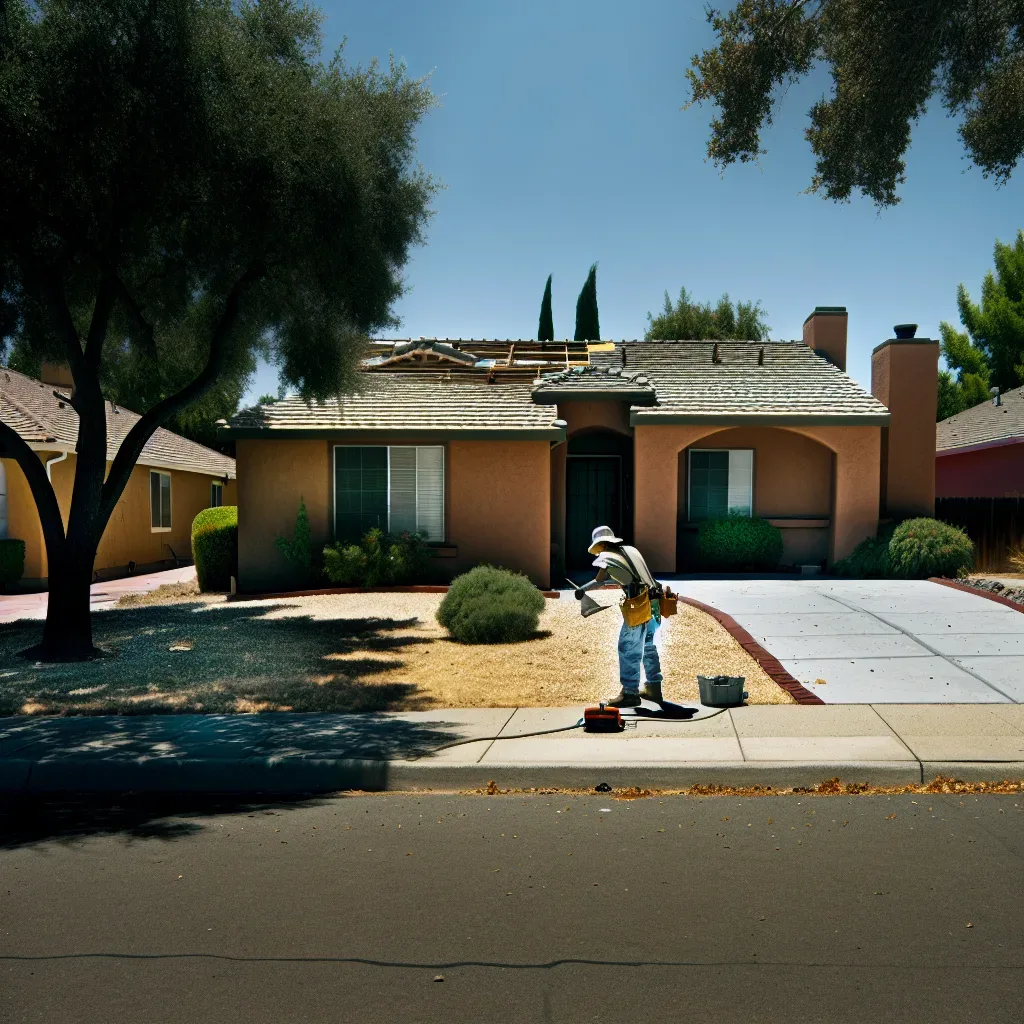
The stretch of homes running from Rancho Cordova east toward Folsom sits in one of Sacramento’s fastest-growing corridors. And the roofs along this path take a beating. Hot valley summers push shingle temperatures past 150 degrees. Then winter brings those cold, heavy rains that pool on flat sections and find every weak spot.
We’re out on Folsom Boulevard and Zinfandel Drive almost every week. The neighborhoods between Sunrise Boulevard and the Folsom city line have a mix of housing stock that keeps our crews busy with different problems. Older homes built in the 1970s and 1980s near Mather Field often have original composition roofs that are well past their expected life. Newer developments closer to Anatolia and the areas south of Highway 50 tend to have tile roofs where the underlayment fails long before the tiles show any visible damage.
That’s the tricky part for homeowners along this corridor. Your roof can look totally fine from the street and still be leaking into your attic.
One situation we run into a lot involves homes backing up to the American River Parkway. Those properties sit lower and deal with more morning moisture and fog than homes just a mile south. That extra dampness speeds up moss growth in shaded roof valleys. We’ve pulled back ridge caps on houses along Coloma Road and found soft, rotted decking underneath that looked perfectly normal from the outside. If you live near the parkway, it’s worth having someone check those hidden spots. A small issue can quietly turn into a full section replacement.
The soil out here plays a role people don’t expect. Rancho Cordova sits on old river sediment that shifts and settles over time. Subtle foundation movement stresses your roofline. We spot cracked flashing and separated vent boots on homes near Mills Station and the Gold River area because of this settling. A quick repair now keeps water from running down inside your walls for months before you notice anything.
So what should you actually do? After the next rain, look at your roof from the ground. Check for dark streaks on the fascia boards. Look at your gutters for granule buildup. If you see either one, give us a call. We’ll come out and walk the roof to find exactly what’s going on.
Don’t wait for a visible leak inside your house. By the time water stains show up on your ceiling, the damage underneath has been building for a while. Homes in this corridor deal with big temperature swings between day and night, especially in spring and fall. That constant expansion and contraction loosens nails and cracks sealant around pipe jacks faster than you’d think.
these neighborhoods because we work in them constantly. The houses off Routier Road have different problems than the ones near Aerojet. Different rooflines. Different tree coverage. Different ages of materials. That local knowledge matters when you’re trying to figure out the right fix instead of just slapping a patch on and hoping for the best.
If your home sits anywhere along this corridor, reach out to us today. We’ll take a close look and tell you exactly what your roof needs.
How Our Team Reaches the Folsom Corridor from Sacramento
We’re on the road by 7 a.m. most mornings. Our crew heads east out of Sacramento on Highway 50, and the Rancho Cordova exits come up fast. Mather Field Road. Zinfandel Drive. Hazel Avenue. every one of them because we take them all week long.
That stretch along Highway 50 is what makes getting to your roof so straightforward. No fighting through downtown Sacramento grid traffic. No guessing which surface streets connect. Just a clean 15 to 20 minute drive east, and we’re pulling onto your block.
Most of our repair calls in this part of Rancho Cordova come from neighborhoods branching off Folsom Boulevard. That old commercial corridor runs right through the heart of this area. Homes just north and south of it tend to be 1970s and 1980s builds. Ranch-style houses with composition shingle roofs that have taken decades of Sacramento Valley heat. We’ve seen the same wear patterns on street after street out here.
If you’re closer to Anatolia or Kavala Ranch on the eastern edge, we hop off at Rancho Cordova Parkway. Those newer two-story homes have different needs. Tile roofs with cracked pieces from settling. Flashing that wasn’t sealed right during the building boom. But we still get there in roughly the same time from Sacramento.
And here’s what matters to you. Because we’re this close, we can come out the same day you call. A lot of homeowners in this area don’t realize how fast a small leak turns into a big problem. The morning fog that rolls through Rancho Cordova in fall and winter keeps roofs damp for hours. That moisture finds every gap. So when you spot a water stain on your ceiling, we’d rather be at your door that afternoon than sometime next week.
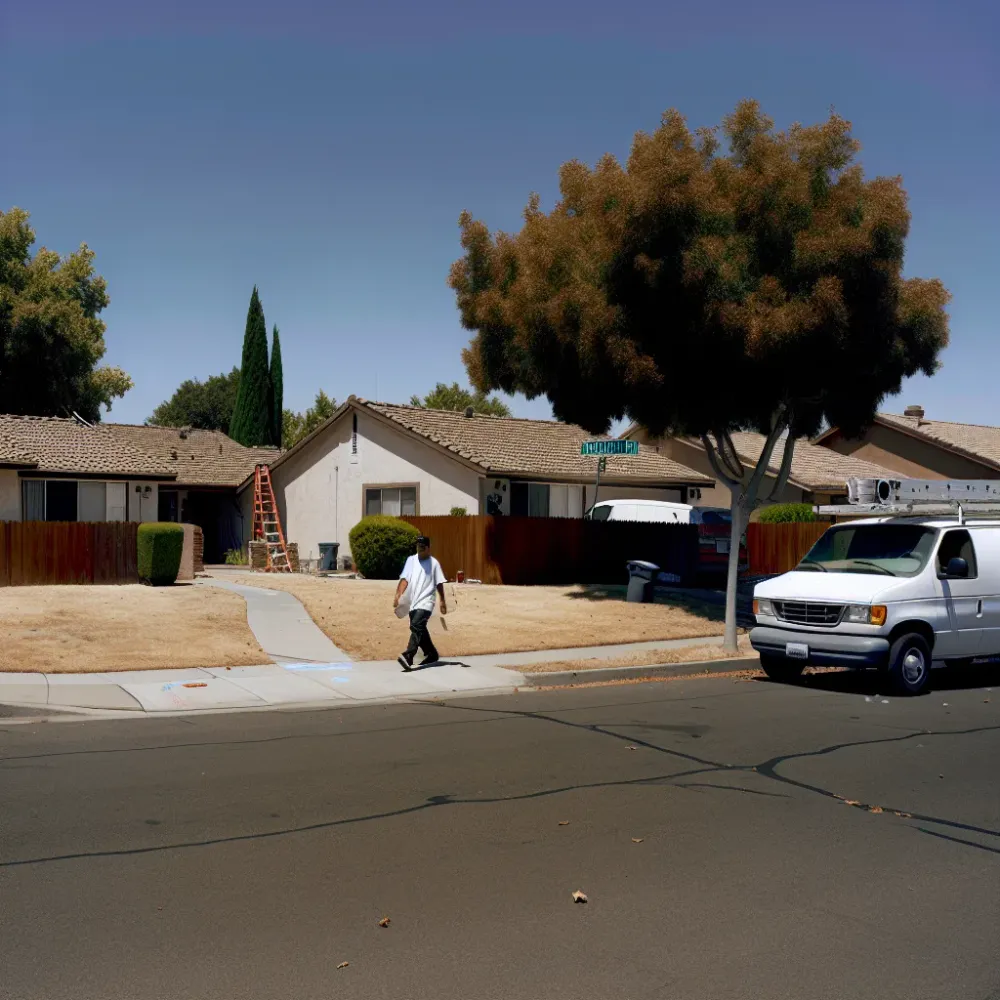
Oak tree damage is something we deal with constantly out here. The mature oaks along streets like Coloma Road drop heavy branches during storms. We got a call last winter from a homeowner near Mills Station Road who had a limb punch right through two layers of shingles. By the time we arrived, water was already pooling in the attic insulation. Big trees, older roofs, valley storms that don’t give much warning. That’s just the reality of this corridor.
We also know the parking situation in these neighborhoods. Older parts of the corridor have narrow driveways and no curb space. Our trucks carry everything we need so we’re not running back and forth. We set up once, get the repair done, and clear out without blocking your neighbor’s driveway all day.
But getting to you fast only matters if we actually fix the problem. That’s why we do a full roof walkaround before we touch anything. Extreme summer heat that cracks sealant. Winter rain that pools in valleys. Gritty valley dust that builds up in gutters and traps water against the fascia. We check for all of it because we see it every single week out here.
Give us a call and we can usually have someone at your Rancho Cordova home before the end of the day. That’s not a promise we could make if we were driving in from across the region. We’re right here in Sacramento, and this corridor is one of our busiest service areas.
Watch Our Video
See How We Handle Roof Repair in Rancho Cordova CA in CA 95814
Prime Sac Roofs — Serving CA 95814 and surrounding areas
What Makes This Corridor Unique for Roof Repairs
The stretch between Rancho Cordova and Folsom sits right in the path of Sacramento’s toughest weather swings. Summer heat pushes past 105 degrees regularly. Then winter rolls in with heavy rain off the American River corridor. That back-and-forth punishes roofing materials in ways most homeowners don’t spot until there’s a water stain on the ceiling.
The roofing problems here aren’t random. They follow a pattern tied directly to how this corridor was built and where it sits.
A huge number of homes along Coloma Road and in the subdivisions near Hagan Community Park went up during the 1970s and 1980s. Those original composition shingle roofs were rated for 20 to 25 years. Many of them have been patched and re-layered instead of properly replaced. So when we get called out, we’re often peeling back a second layer of shingles to find dry rot underneath that’s been hiding for a decade.
Closer to Highway 50, the newer developments near Anatolia and Sunridge have a different issue entirely. Builders used lightweight concrete tile that looks great but cracks under Sacramento’s extreme temperature cycling. One hot summer day expands the tile. A cold January night contracts it. After a few years, hairline fractures let water seep through. And because the tiles still look fine from the ground, homeowners don’t catch the damage until it’s already inside the attic.
The soil matters too. Parts of this corridor sit on old riverbed ground that shifts more than the clay-heavy soil in other Sacramento neighborhoods. That subtle foundation movement tugs on the roofline. Flashing around vents and chimneys pulls away just enough to open up gaps. We see this constantly on homes near the Nimbus Fish Hatchery area where the ground stays softer from a higher water table.
Oak trees are another factor specific to this area. Mature valley oaks drop heavy limbs during wind events, and their leaves pile up in roof valleys fast. Homes along the tree-lined streets off Hazel Avenue deal with moss and debris buildup that traps moisture against the shingles. That trapped moisture accelerates granule loss and shortens your roof’s life by years.
Here’s a scenario we run into all the time. A homeowner near Cordova Meadows notices a small leak during the first big November rain. They put a bucket under it and figure they’ll deal with it in spring. But by February, the underlayment has soaked through and the decking plywood has started to swell. What could’ve been a simple repair turns into a section replacement. It happens because this corridor gets roughly 80 percent of its annual rainfall in just four months. Waiting costs money.
Give us a call before that small drip becomes a bigger project. these neighborhoods block by block, which roofing materials hold up out here, and we can get to your home fast because we’re already working in the area.
Frequently Asked Questions
Common questions about roof repair in rancho cordova ca services in CA 95814
Do you actually come out the same day for roof repairs along the Folsom Corridor?
Yes, we can usually reach homes along the Folsom Corridor the same day you call. We head east out of Sacramento on Highway 50, and Rancho Cordova exits come up fast. Morning fog in this area keeps roofs damp for hours, so a small leak can get worse quickly. We’d rather be at your door that afternoon than sometime next week.
Why do so many homes near the American River Parkway have hidden roof damage?
Homes backing up to the American River Parkway sit lower and deal with more morning moisture and fog than homes just a mile south. That extra dampness speeds up moss growth in shaded roof valleys. We’ve found soft, rotted decking under ridge caps on houses along Coloma Road that looked totally fine from the street. If you live near the parkway, get those hidden spots checked.
Does the soil in Rancho Cordova actually affect my roof?
It does, more than most homeowners expect. Rancho Cordova sits on old river sediment that shifts and settles over time. That subtle movement stresses your roofline. We regularly find cracked flashing and separated vent boots on homes near Mills Station and Gold River because of this settling. Catching it early keeps water out of your walls before you ever notice a stain inside.
Ready to Get Started?
Call now for a free estimate Call +19164148398 today.
